This is a headline for the blog article
And a description of the blog post
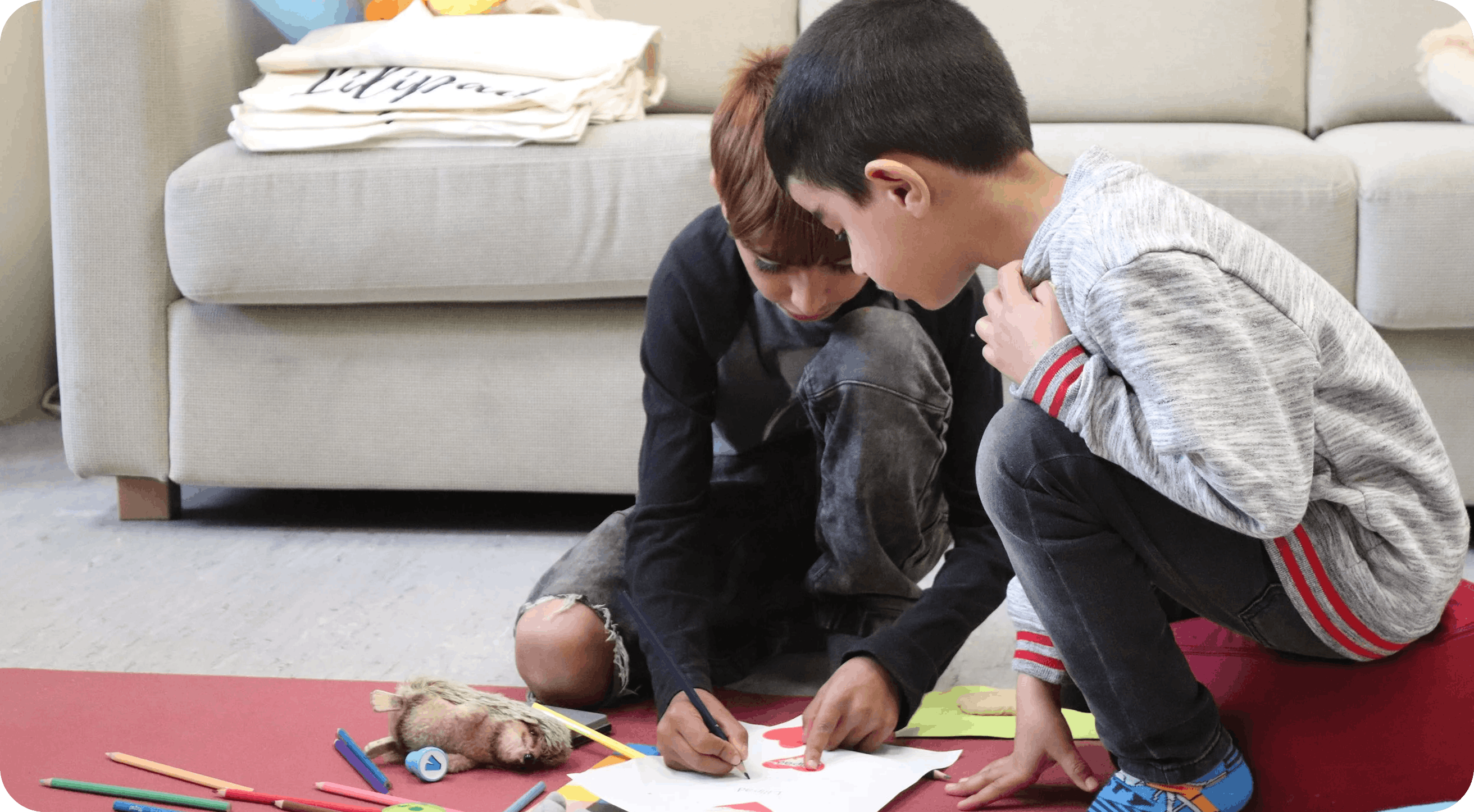
Many of the children we work with have experienced disruption — to schooling, to language, to stability. Some are waiting for access to school. Others are navigating trauma, new languages, and unfamiliar systems.
Traditional literacy programmes often focus on reading levels alone. But literacy is also emotional. It is cultural. It is relational.
When children are given space to create — not just consume — stories, something shifts. They begin to see themselves as capable, expressive, and heard.
A joint report by UNICEF and the German Institute for Human Rights has highlighted that many refugee accommodation settings are not designed with children’s developmental needs in mind. Creative, child-centred spaces are not an extra. They are essential.
Many of the children we work with have experienced disruption — to schooling, to language, to stability. Some are waiting for access to school. Others are navigating trauma, new languages, and unfamiliar systems.
Traditional literacy programmes often focus on reading levels alone. But literacy is also emotional. It is cultural. It is relational.
When children are given space to create — not just consume — stories, something shifts. They begin to see themselves as capable, expressive, and heard.
A joint report by UNICEF and the German Institute for Human Rights has highlighted that many refugee accommodation settings are not designed with children’s developmental needs in mind. Creative, child-centred spaces are not an extra. They are essential.
Project title and the year
Many of the children we work with have experienced disruption — to schooling, to language, to stability. Some are waiting for access to school. Others are navigating trauma, new languages, and unfamiliar systems.
Traditional literacy programmes often focus on reading levels alone. But literacy is also emotional. It is cultural. It is relational.
When children are given space to create — not just consume — stories, something shifts. They begin to see themselves as capable, expressive, and heard.
A joint report by UNICEF and the German Institute for Human Rights has highlighted that many refugee accommodation settings are not designed with children’s developmental needs in mind. Creative, child-centred spaces are not an extra. They are essential.
Sarah Arsalane
Sara is the founder and CEo for lilipad. She loves books and workshops and letters, and so on
Keep reading

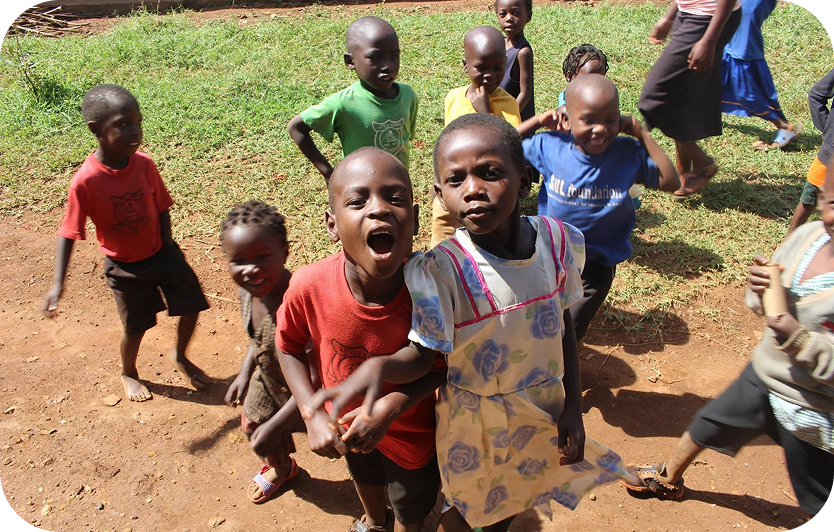

Donate
Keep our libraries running
Your support helps ensure children continue to have access to spaces where their language, curiosity, and imagination are taken seriously.