Our Story
How a small library project that began nearly a decade ago became lilipad library.
lilipad's story
Stories shape how children see themselves.
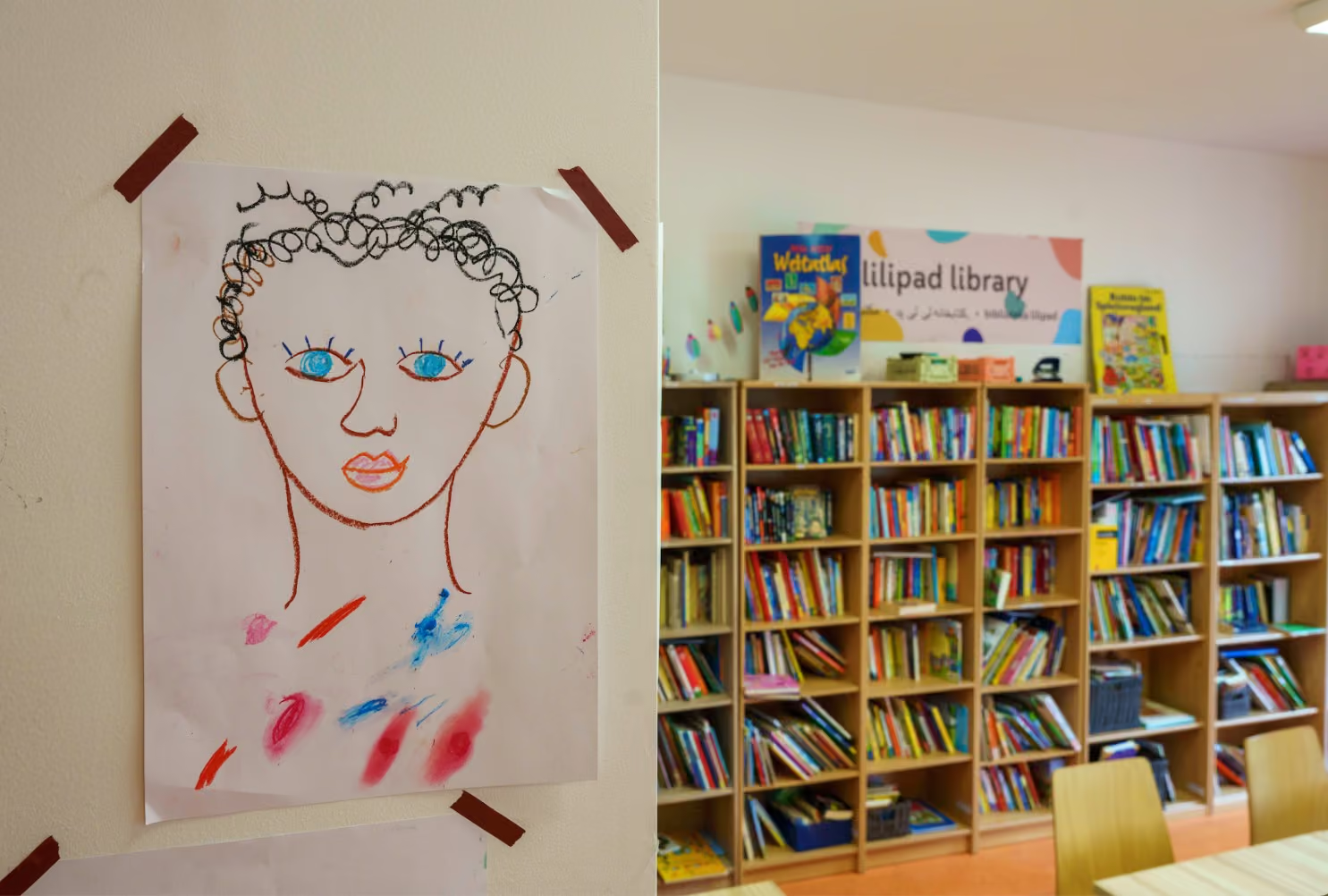
Since 2017, lilipad has been creating multilingual libraries and cultural programmes with children and communities around them. The journey began in Uganda, where the first library opened, before growing in Morocco, where our founder is from, and later in Germany, where the organisation has always been based.
What started as one little library has grown into a network of spaces and opportunities where children can read and encounter stories that reflect the many languages and cultures they carry. We are committed to making sure the children we serve are not only proud of who they are, but also confident about what the future can bring.
How these last years unfolded
Grassroots Beginnings &
First Two Libraries
In late 2016, our founder Sara began exchanging emails with Moses, a primary school teacher who ran a small volunteer programme in the village of Kybirwa. As she prepared to visit, she found herself questioning her own positionality and what a few weeks of volunteering could realistically contribute once she had returned home.
Through months of conversations, she and Moses began thinking instead about what might remain. Motivated by her own experience growing up in Morocco without ever visiting a library, Sara suggested creating one in the school. Moses then painted a fuller picture of the children's daily reality, suggesting that textbooks and basic learning materials were just as important - if not more so - than storybooks. Their conversations shaped lilipad's first fundraising campaign, and friends, artists and colleagues in Berlin came together to raise around €5,000 for books, textbooks, school and art supplies.
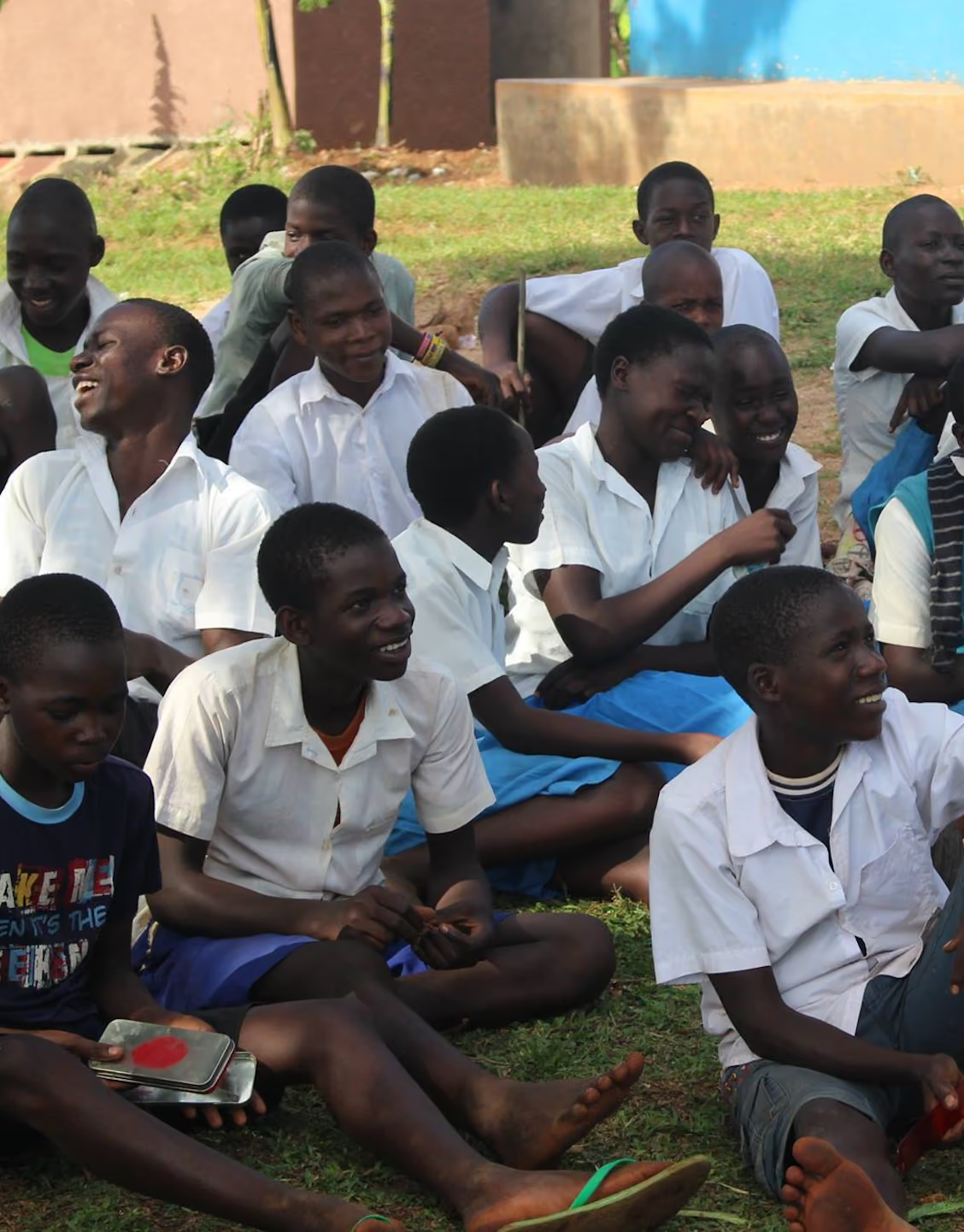
In March 2017, the first lilipad library opened in the Kyabirwa Primary School, serving nearly 1,000 children. Six months later, a second library followed in Lakhdara Primary School in Casablanca, Morocco, where Sara grew up.

.avif)
Testing the Model & First Lessons
The first two libraries quickly led to new partnerships in Casablanca and, later, in Berlin - where our focus has always been to support refugee children in particular. But just as lilipad began to grow, the first major lesson emerged. When Moses left Kyabirwa Primary School, the library gradually became inactive and ultimately closed. It was an early reality check: books and good intentions alone could not sustain a library.
From that experience came one of lilipad's earliest principles: every library needs a Local Champion. Whether a teacher, social worker, staff member or community member, each library needed someone rooted in the community who believed in it enough to make it part of everyday life.
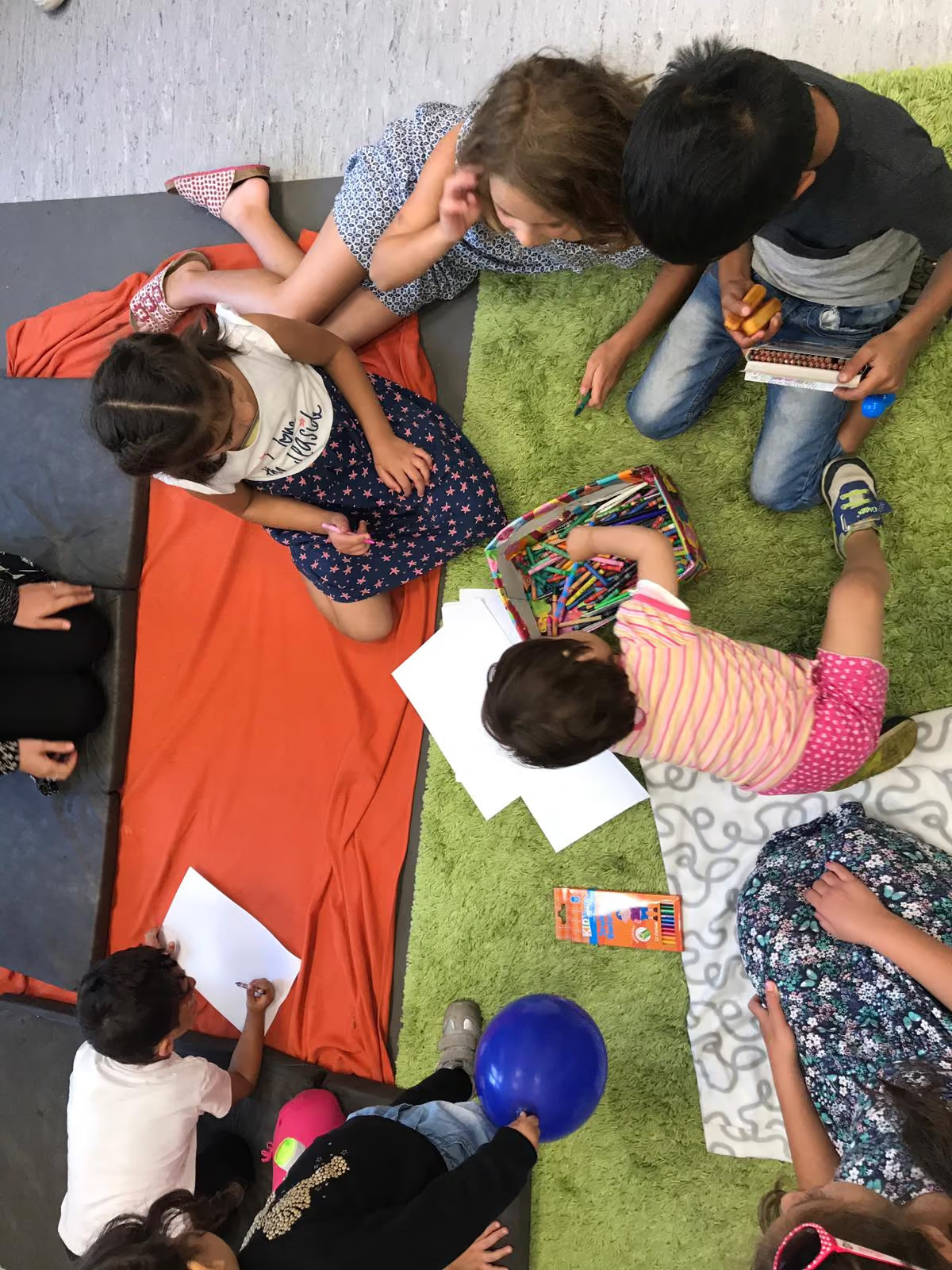
As more libraries opened, we stayed closely involved, visiting them whenever possible and remaining in regular contact with our local champions. Together with our growing network of multilingual volunteers, we also began organising 'Book Parties, the first version of our storytelling workshops. Originally intended simply to encourage children to use the libraries, these activities solidified the idea that while the heart of our project is the library, what makes it impactful is the stories that make it alive.
By early 2020, we had opened five libraries across three countries and were beginning to understand our own shortcomings and what our model should look like. Then the pandemic hit.
.avif)
The Pandemic Years & Looking Inward
Like many nonprofits, the COVID-19 pandemic forced us to pause. All our libraries were closed, activities were suspended and plans for further growth were put on hold. We used this time to reflect on what was working, what wasn't and where our efforts were making the greatest difference.
In 2020, we published our first Impact Report, documenting of course what we had achieved, but also mainly where we had failed and what we had learned during our first three years. Around the same time, more people with backgrounds in the nonprofit sector, education, social work and the cultural sector began joining our team of core volunteers, bringing new perspectives and expertise.
The period also marked the beginning of lilipad's transition from a grassroots volunteer initiative to a more structured organisation. We made our first concerted efforts to secure institutional funding and, in 2022, hired our first two freelancers to support project delivery and fundraising. At the same time, one insight became increasingly clear. While libraries remained at the heart of our work, the strongest impact was happening where trusted adults created consistent, welcoming spaces for children. Increasingly, our focus shifted from simply opening libraries to thinking about how they were used, what adults were animated them and what made children return.
.avif)
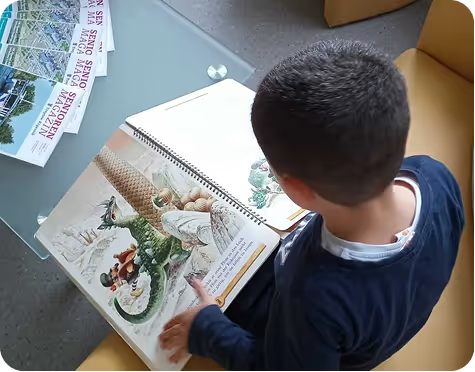
From Volunteer-Led To Our First Employees
By 2023, lilipad reached an important turning point. After six years of being led almost entirely by volunteers, our founder began working full-time for the organisation and we hired our first employees. Around the same time, we secured our first five-figure, and later six-figure, institutional grants, allowing us to invest in longer-term programmes and strike a better balance between the breadth and depth of our work.
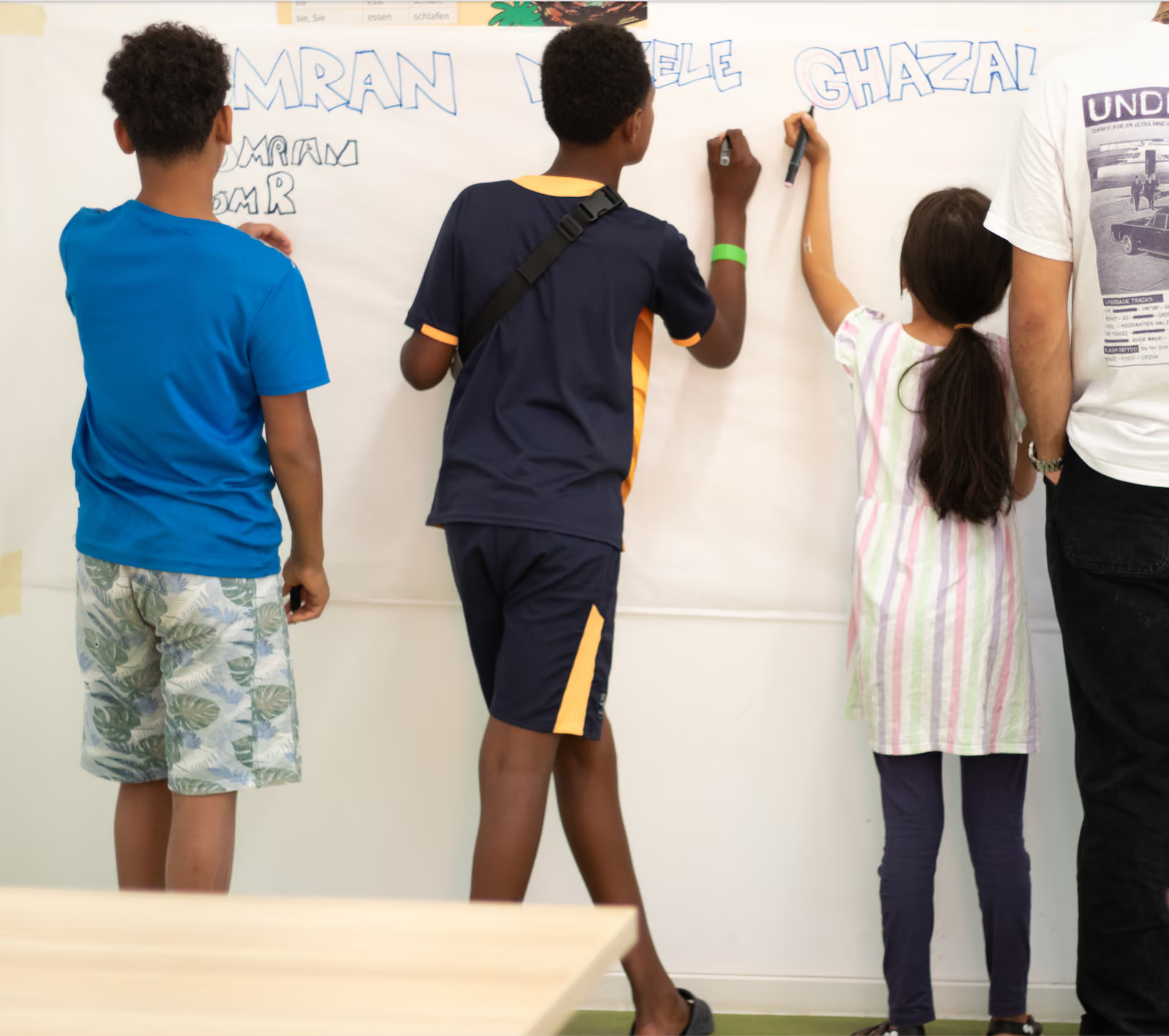
As the organisation grew, so did our ambitions. Alongside our libraries, we expanded our cultural work through multilingual workshops, exhibitions, festivals and public events. For the first time, stories created within our libraries reached audiences beyond them, contributing to wider conversations around migration and identity in Germany, and around gender, cultural participation and the place of girls' voices in public life in Morocco.
In 2025, this work was recognised through our first national awards, including support to scale our Community Librarian Programme across refugee accommodation centres in Germany. The same year, we also launched our first European partnership through the Erasmus+ programme, bringing together organisations from Germany, France and Italy. It marked the beginning of a more intentional commitment to international collaboration and exchange, building on the relationships we had developed over the years.
Continuing the Story
In 2026, lilipad Morocco became an independent legal entity, marking the beginning of a new chapter for the organisation.
With dedicated teams in both Germany and Morocco, we continue to develop locally rooted libraries, cultural programmes and partnerships while sharing ideas, learning and experience across borders.
The story of lilipad is still being written.
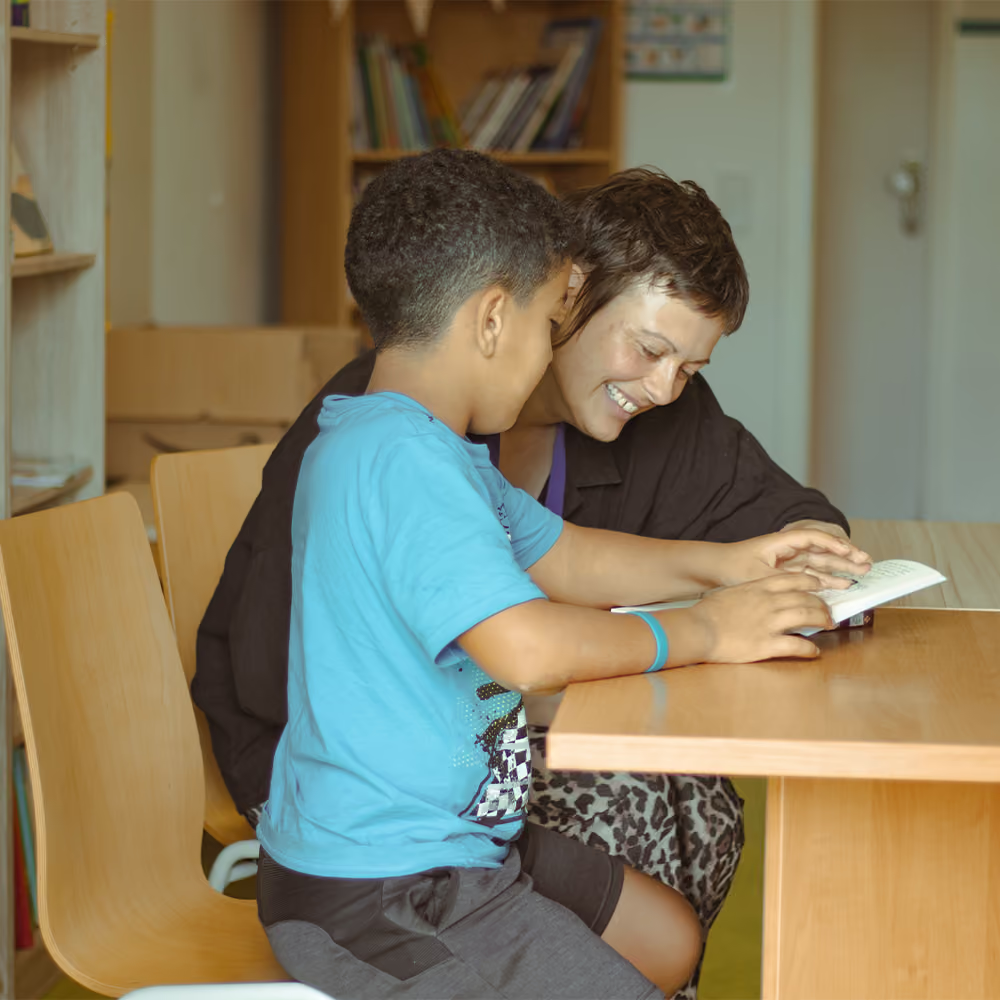
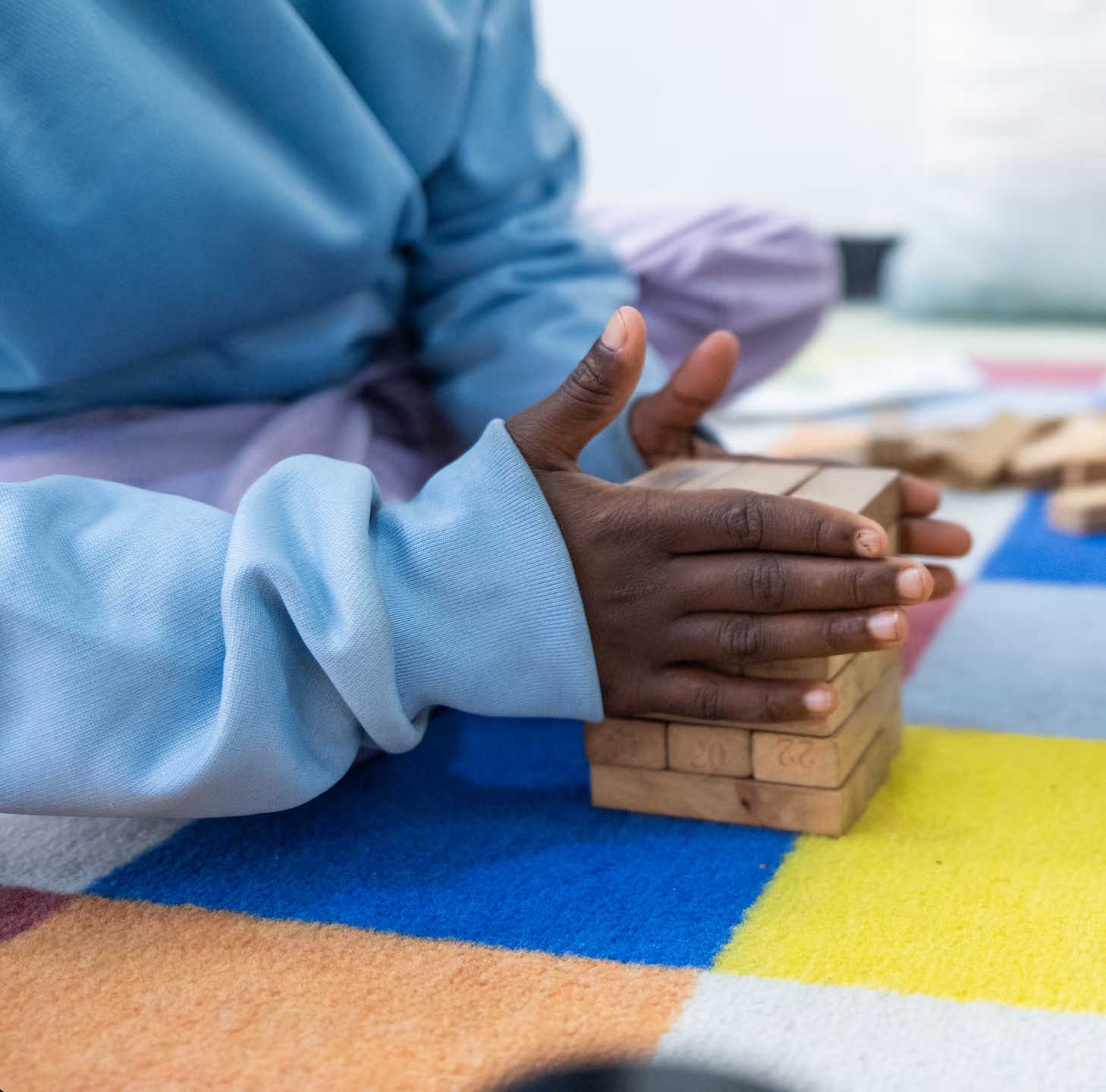

"At the library I feel real calmness. There’s no chaos or noise. You can read in peace. Every time I go to the library I learn some new information. I arrive with an empty backpack, and I go back with something new."
Girl at our Casablanca library
Testimonial collected in January 2026



"Most of the young girls living in the residence tell me that the library, before being shelves and books, is their place of comfort and space of freedom."
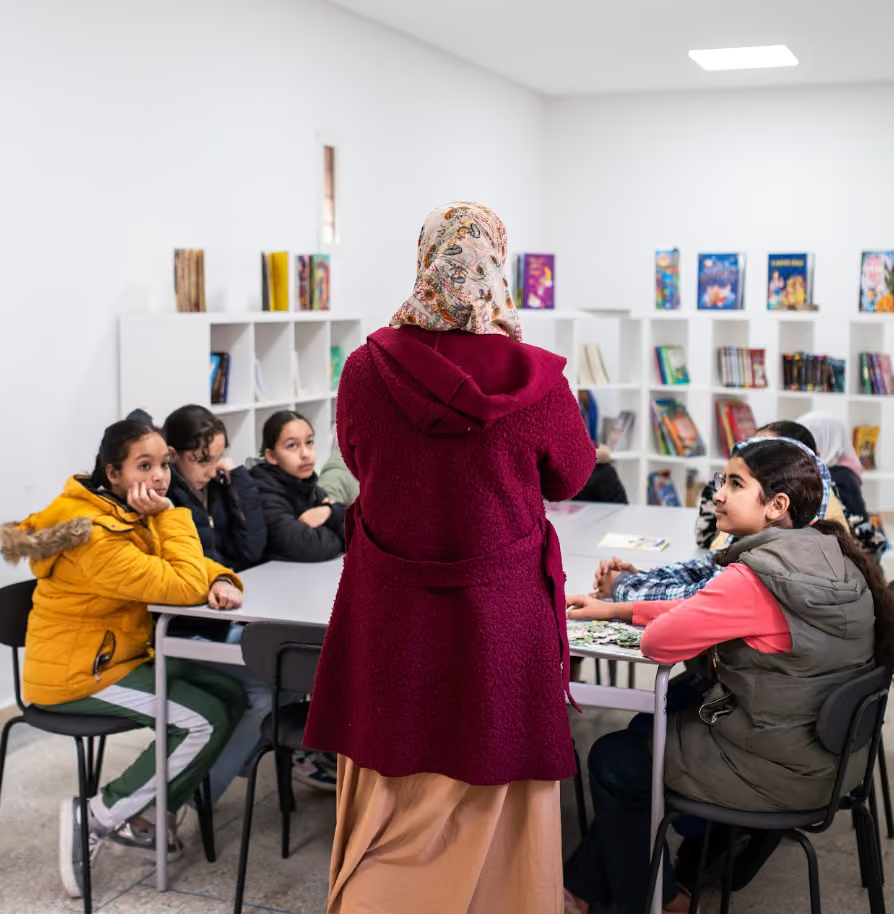
Meryem, lilipad librarian in Agadir
Testominial collected in 2026




Donate
Keep our libraries running
Your support helps ensure children continue to have access to spaces where their language, curiosity, and imagination are taken seriously.