Taha: Teaching Through Language and Music
An interview with Taha, Berlin's first lilipad librarian.
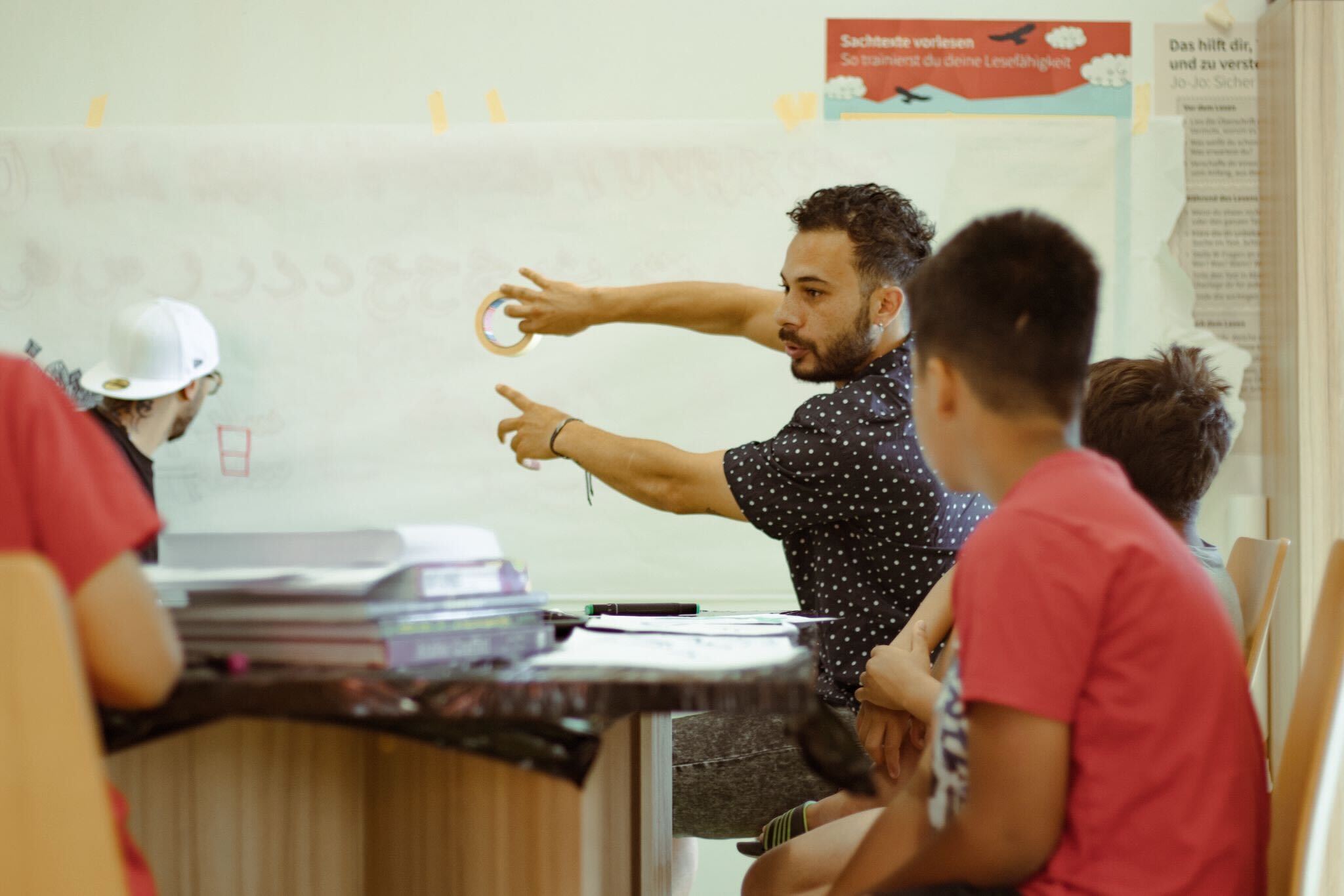
We interview Berlin’s first lilipad librarian Taha about his experience migrating from Syria to Germany, his journey as an artist, and how he started working with lilipad. We also explore how he uses music and Arabic to connect with children at the Britz lilipad library.
Q: Please describe the work that you do at lilipad?
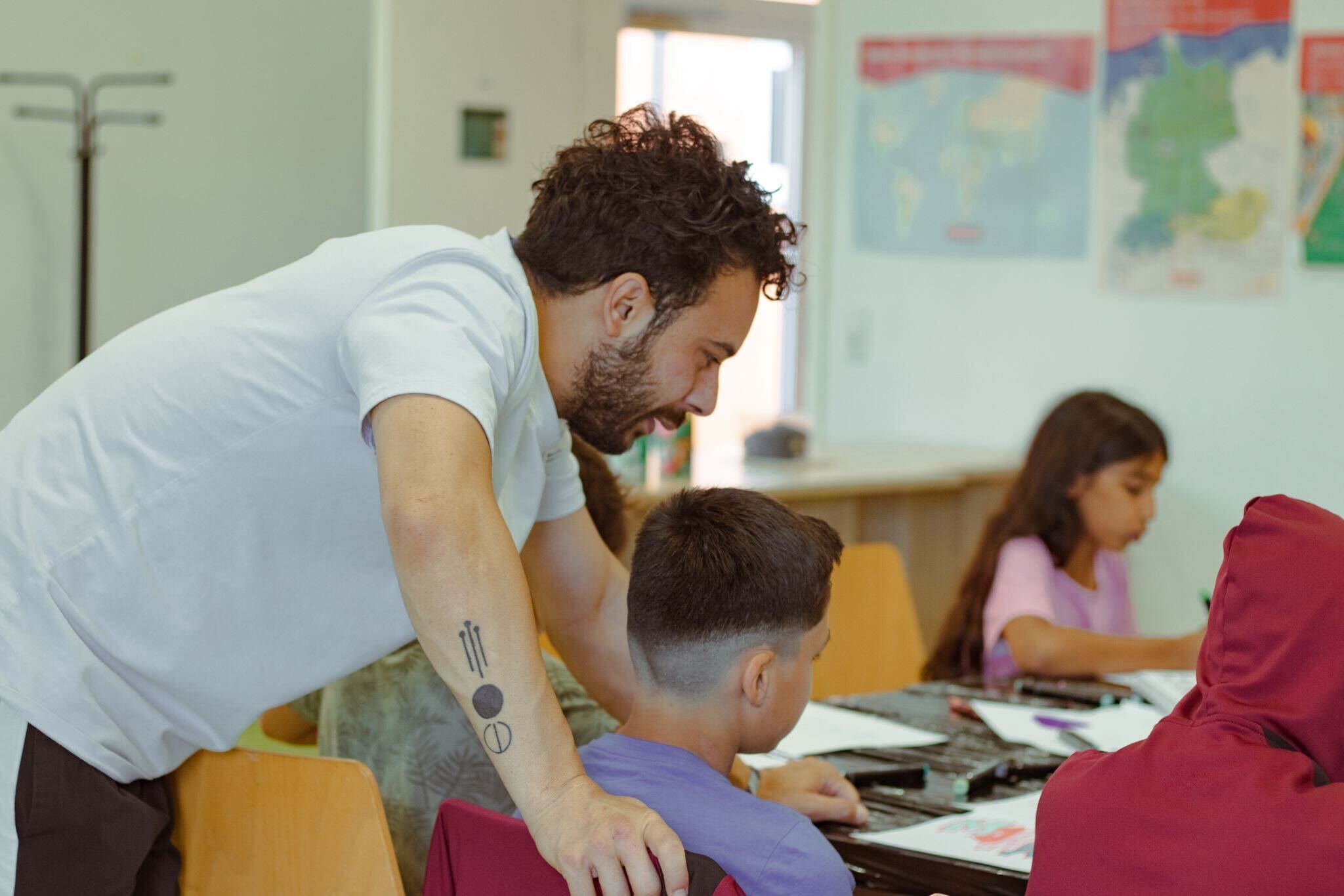
At lilipad, I lead sessions that combine Arabic language learning with music, rhythm and storytelling. My goal is to create a warm, playful environment where children feel safe to express themselves in multiple languages, especially in their mother tongue. I use songs and movement activities to help children learn words and phrases naturally while also building confidence and joy around language.
Q: How did you first get involved with lilipad?
In 2021, I was working as a music instructor with Open Music Lab, running songwriting and music-production workshops for adults. Around that time, I heard about the lilipad project and so I reached out to ask if I could run a music workshop for children in a refugee camp in Marzahn. When I learned more about lilipad’s mission, especially their focus on libraries as safe, creative spaces for refugee and migrant children, I immediately felt a connection. After meeting the team and sharing some of my work with them, it felt like a natural fit. From there, we began collaborating on more workshops across different creative areas, and my role with lilipad grew organically.
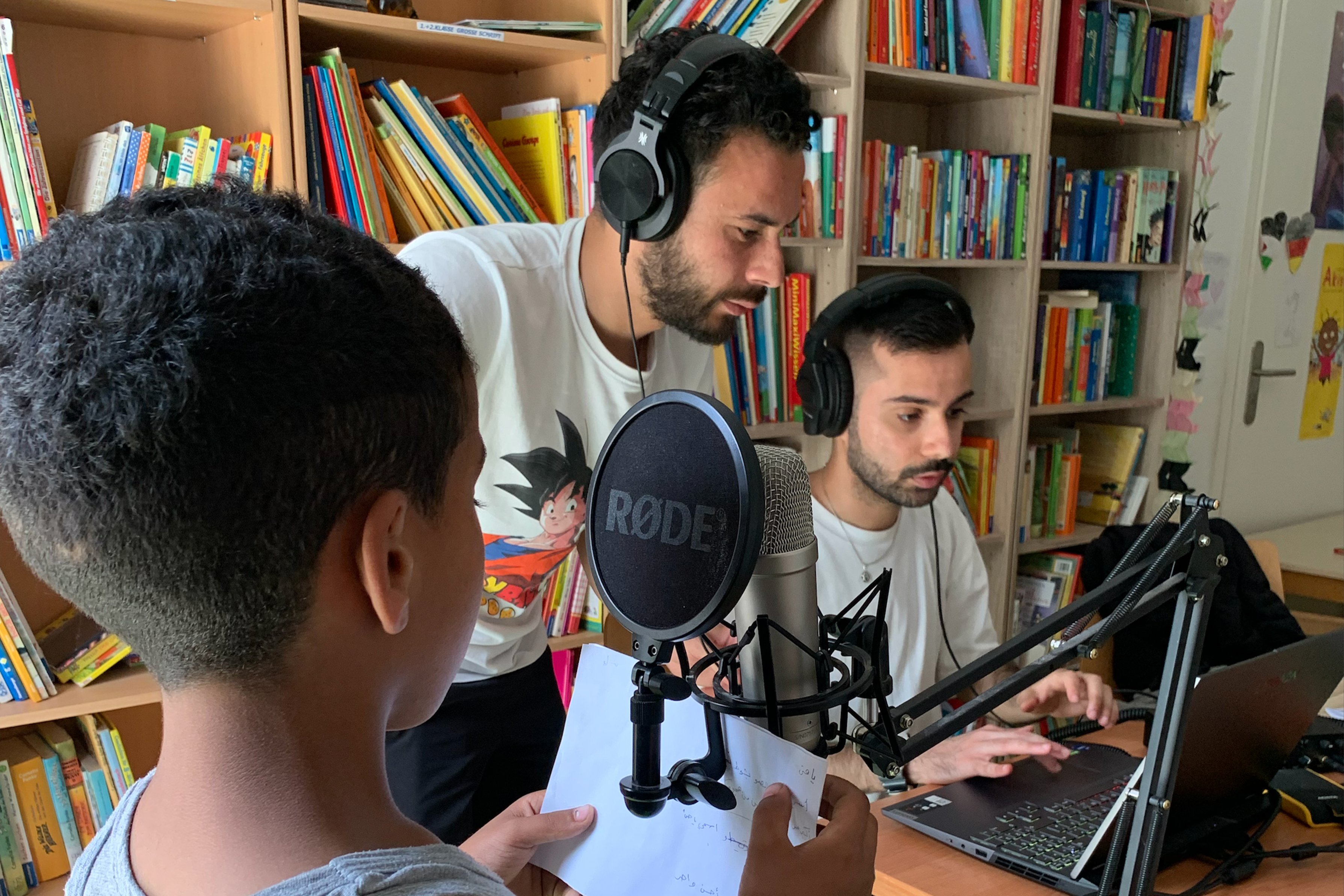
Music has always felt like my first language. It’s the thing that stayed with me through my journey from Syria and helped me hold onto a sense of who I am. When I started giving my first workshops, something struck me almost immediately: many of the kids didn’t know how to read or write in Arabic.
Seeing that was difficult. It made me think about how important language is, how it’s not just grammar or letters, but a way to express yourself, to feel at home in your own story. I felt a real sadness that these children hadn’t had the chance to learn their mother tongue, especially after everything they’d already been through.
That’s when I understood that music could be more than just a fun activity - it could be a bridge back to their language and culture. Songs make things easier and less intimidating. They help kids open up, especially when they’re shy, newly arrived, or navigating life between two cultures.
Teaching Arabic through music lets me share something meaningful from my own background while giving them a safe, joyful way to learn. There’s no pressure, just rhythm, laughter, and the feeling of discovering something together.
Q: Can you describe a special moment with the children that stayed with you?
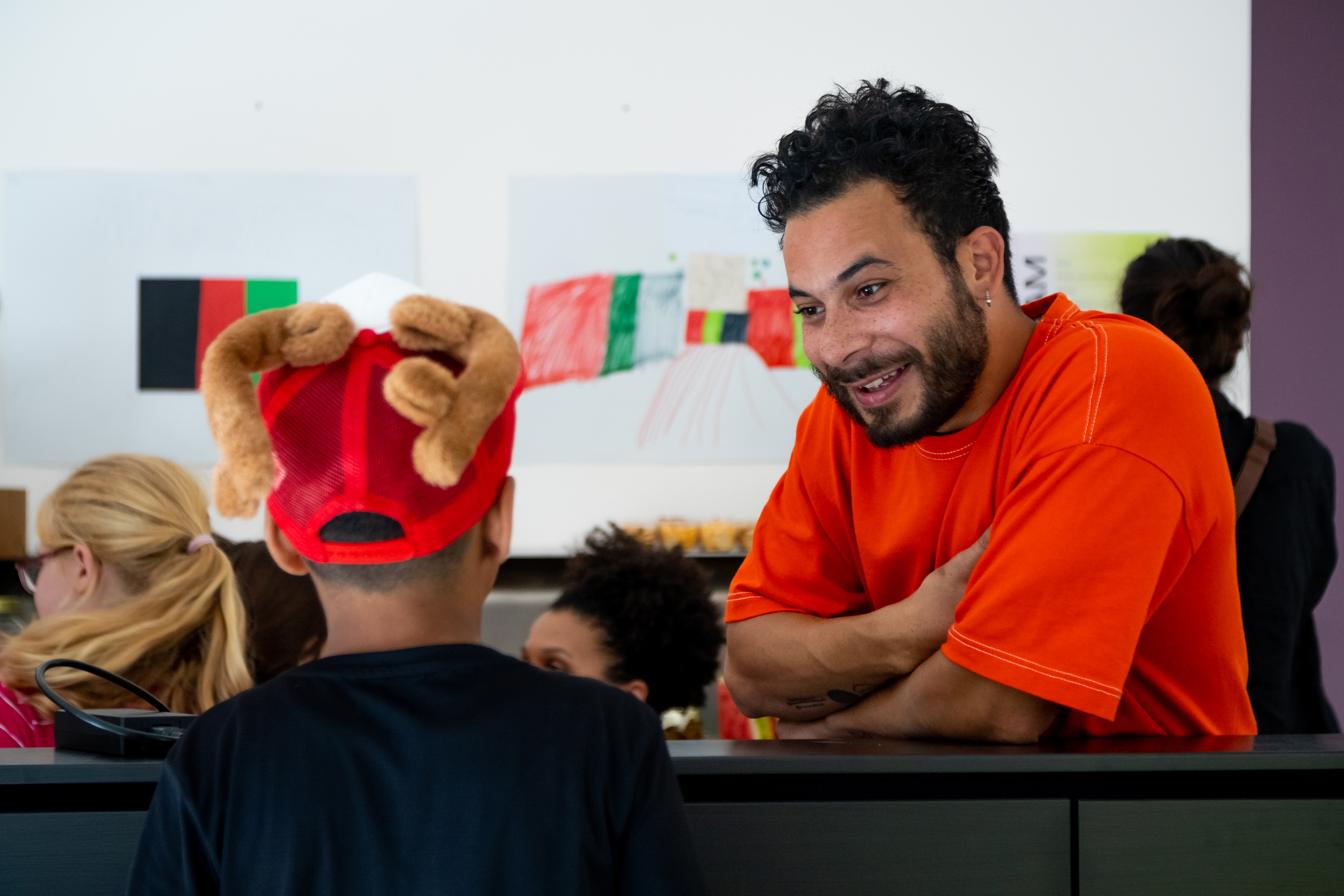
The kids ask the most surprising and thoughtful questions. They’re so curious about everything: religion, cultural differences, identities, why people do things differently in different countries... Sometimes their questions stop me in my tracks because they’re so honest and wise. Those moments turn our sessions into real conversations, not just lessons.
Q: How does your own story as a refugee influence your work with them?
My own journey shapes everything I do with the children. I know what it feels like to arrive somewhere new and not understand the language or culture. I know how important it is to have spaces where you feel seen. Because of that, I try to create sessions where children can laugh, belong, and feel proud of their language and identity. I want them to experience the sense of safety and creativity I wished I had when I first arrived in Europe.
Q: What does the library space mean to you and the kids?
The library is more than a building for us, it’s a sanctuary. It’s a place where children don’t have to worry about being new, different, or in transition. The Britz Library gives them a calm, welcoming environment where they can explore stories and languages freely. For me, it symbolizes community, learning, and the belief that every child deserves access to culture and creativity.
Q: What message would you share with others who want to teach creativity to refugee children?
I would tell them to begin simply by being human. Start with empathy, kindness, and a willingness to play. Refugee children carry so many stories - some full of joy, others shaped by loss or change. Creativity gives them a safe way to express all of that.
You don’t need to be perfect or have all the answers. What truly matters is showing up, listening, and allowing the children to guide the energy of the room. Let them lead, and follow their curiosity. And above all, don’t judge them based on your own experiences because their world, their journey, and their emotions are completely different.
Sometimes the smallest moments of connection can make the biggest difference in their lives.

Heide Rogers
Keep reading
.jpg)


Donate
Keep our libraries running
Your support helps ensure children continue to have access to spaces where their language, curiosity, and imagination are taken seriously.