Samira: A Library of Trust
An interview with Samira, Morocco's first lilipad librarian, on building safe spaces for girls in Casablanca.
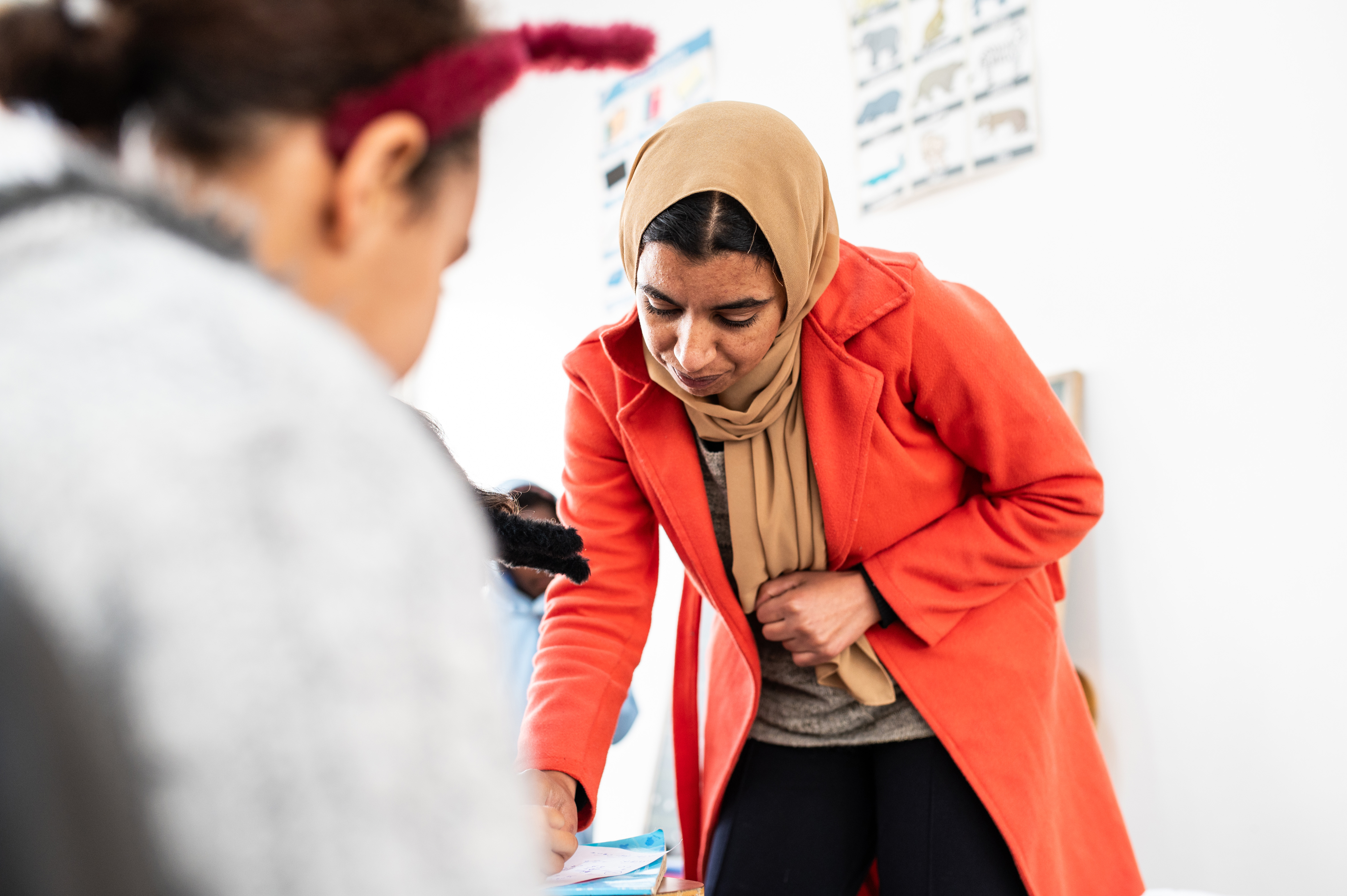
For this edition of Stories from the Field, we interview lilipad librarian Samira about her journey as one of lilipad’s first librarians, and the first in Morocco. Her dedication since 2021 to making the Casablanca library a space of safety, learning, and belonging for girls living in shelters. This story highlights her quiet leadership, the emotional connections she builds, and how she sees transformation happen through books, storytelling, and care.
Q: Can you tell us about your journey with lilipad?
I joined lilipad on August 1st, 2021, without a background in library work. At the time, my experience was mainly with children through summer camps and informal activities.
What lilipad offered me was something different. It was not only a job, it was a space to learn, grow, and discover new ways of working with girls. Through this experience, I developed practical skills in storytelling, theatre, reading facilitation, and group animation.
I had studied before, but it was mostly theoretical. With Lilipad, everything became real. I learned directly in the field, through daily interaction, through trial and error, and through building relationships with the girls. This experience shaped me both professionally and personally.
Q: How did your workshops evolve over time?
At the beginning, I focused on simple reading sessions. The priority was to create a calm space and encourage the girls to engage with books.
Over time, I became more creative and confident in designing activities. Reading became a starting point rather than an end. We began transforming stories into theatre, role-playing scenes, and creating collective narratives.
These moments allowed the girls to step into different roles, express emotions, and imagine new possibilities. It also made the library more alive, not just a place to read, but a place to create.
Q: What does a typical day in the library look like?
Each day has its own rhythm, but we always try to create a positive start. We often begin with singing, which helps set a warm and welcoming atmosphere.
Some girls go to school, while others stay in the library. With them, I focus on literacy, helping them learn letters, read, and gain confidence. But the library is not only about learning, it is also about feeling safe.
We create moments of rest, sometimes watching films together, sometimes just sitting, talking, or drawing. Over time, the library becomes a space where girls can simply be themselves, without pressure.
Q: What kind of activities do the girls respond to the most?
The girls are full of energy, and they really connect with activities that involve movement and expression. They love dancing, singing, poetry, and anything that allows them to express themselves freely.
They also respond strongly to encouragement. When they feel seen and valued, their engagement changes completely. Even small moments of recognition can make a big difference.
Q: How do you build trust with the girls?
Trust takes time. At the beginning, many of the girls were reserved and sometimes afraid, especially because they were used to strict rules and sanctions.
My approach is to listen and adapt. I try to understand what they enjoy and what they need, without forcing them into activities. Being flexible and patient helps create a space where they feel comfortable.
When they realize that the library is a space for them, where they have a voice and a choice, they begin to open up naturally.
Q: What challenges have you faced along the way?
Working in this environment comes with challenges. Sometimes, girls who are doing well can be affected by others through peer pressure or difficult group dynamics. These situations can impact their confidence and wellbeing.
These moments are not easy, but they also highlight how important the library space is. It becomes a place where we can rebuild confidence, offer support, and remind them of their value.
Q: Can you share a moment that made you proud?
There are many small moments that matter: a girl reading out loud for the first time, another one participating in an activity she was initially afraid of, or simply seeing them smile and enjoy being there.
One moment that stayed with me is when one of the girls continued her studies and was accepted into Al Akhawayn University. It was a very powerful moment. It showed that their paths can evolve in ways that go far beyond what they initially imagined.
Q: How has this experience impacted you personally?
This experience transformed me. It gave me a deeper understanding of what child protection means in practice, beyond theory.
It also changed my relationship with myself and with others. I became more patient, more attentive, and more connected. My social life improved, and I developed new habits, including reading. Before lilipad, I didn’t have a strong connection to books. Today, reading is part of my life. In a way, I grew alongside the girls.
Q: What advice would you give to other social workers?
Take the time to observe. Every girl is different, and understanding her situation is essential.
Learn from others, watch how they interact, and build your own approach. And most importantly, encourage reading. Books open doors. They create space for imagination, reflection, and growth. It is something that stays with them over time.
Q: What makes you most proud about your work with lilipad?
What makes me most proud is seeing the transformation, both in the girls and in myself.
The library is not just a place, it is a space where confidence grows, where voices emerge, and where small changes can lead to bigger possibilities. Being part of lilipad means being part of that journey. And that is something I am truly proud of.

Chifae Laazouzi
Keep reading


.jpg)

Donate
Keep our libraries running
Your support helps ensure children continue to have access to spaces where their language, curiosity, and imagination are taken seriously.