lilipad workshops
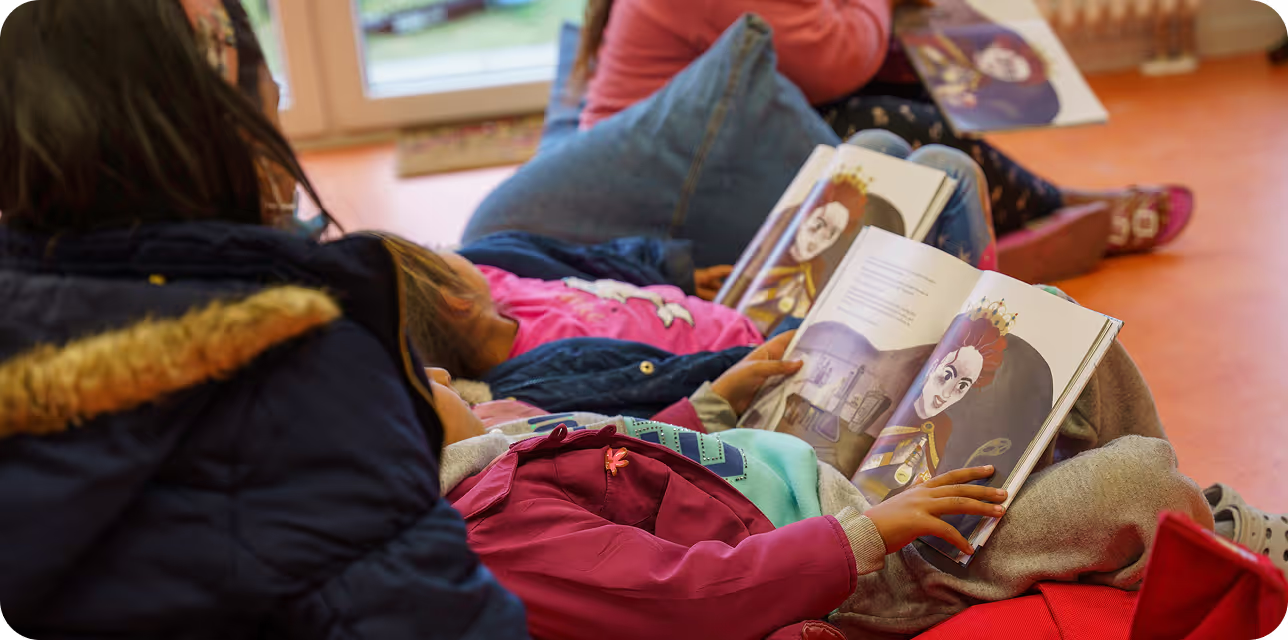
Our workshops build on what is already happening in the library and open up new ways of working with stories, whether that's through writing, image, sound or performance. For many children we work with, reading is not always the starting point and literacy can be a challenge. The lilipad workshops create different entry points so that every child can take part in their own way of expressing ideas.
WHY THIS WORK MATTERS
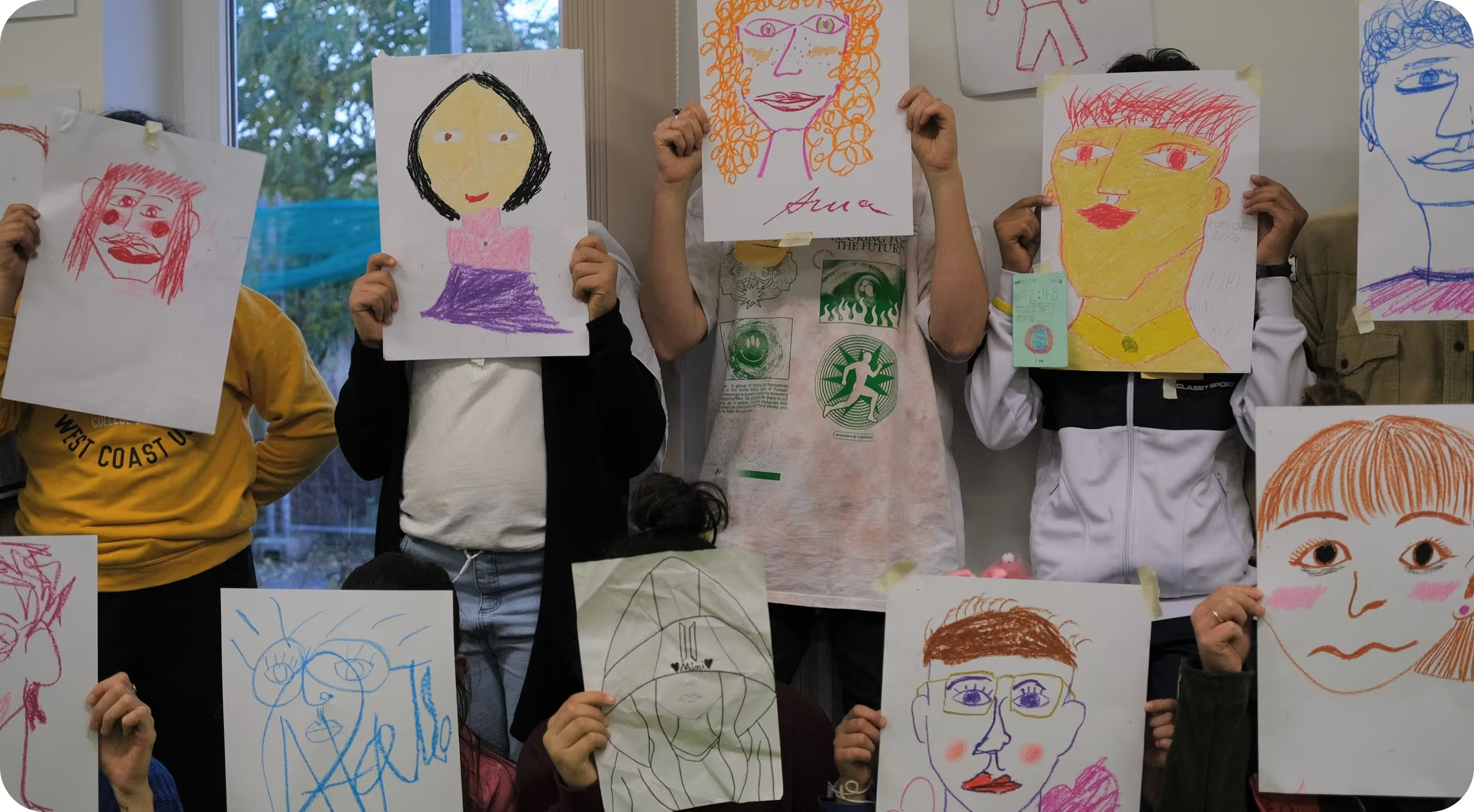
Many of the children we work with have experienced disruption in some form or another - whether to their schooling, language, or stability. Some are waiting for access to school, while others are navigating trauma, new languages, and unfamiliar systems. Traditional literacy programmes often focus on reading levels alone, but literacy is also emotional, cultural, and relational.
When children are given space to create, they begin to see themselves as capable, expressive, and heard. They realise that they can go beyond listening to others’ stories, to sharing their own.
A joint report by UNICEF and the German Institute for Human Rights has highlighted that many refugee accommodation settings are not designed with children’s developmental needs in mind.
Creative, child-centred spaces are not optional, they are essential. Every child deserves the space to learn through creating, and the sense of self that comes along with it.
“The workshops offered a creative space where children could explore, experiment, and feel proud of what they created.”
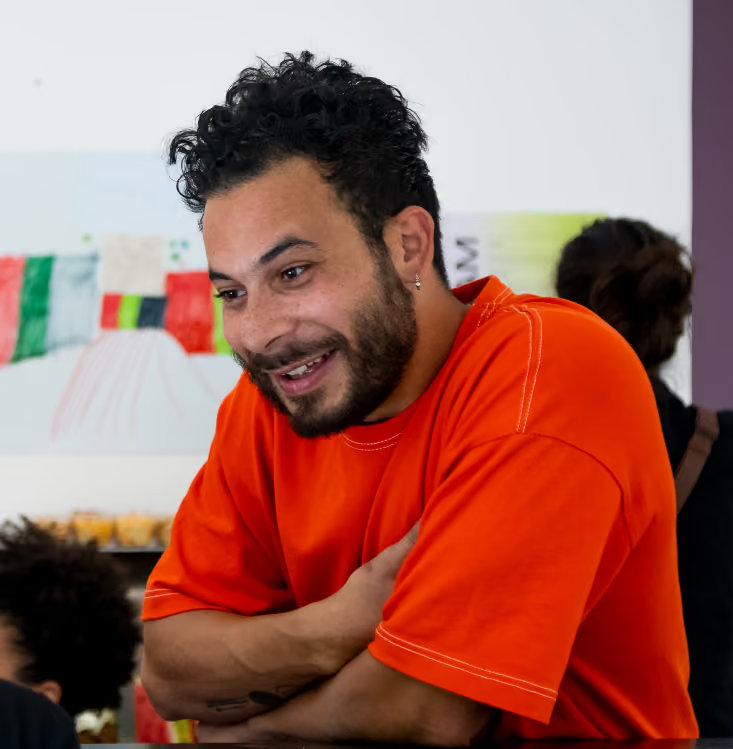
Taha
Artist & Workshop Facilitator
OUR APPROACH
Creative Practice
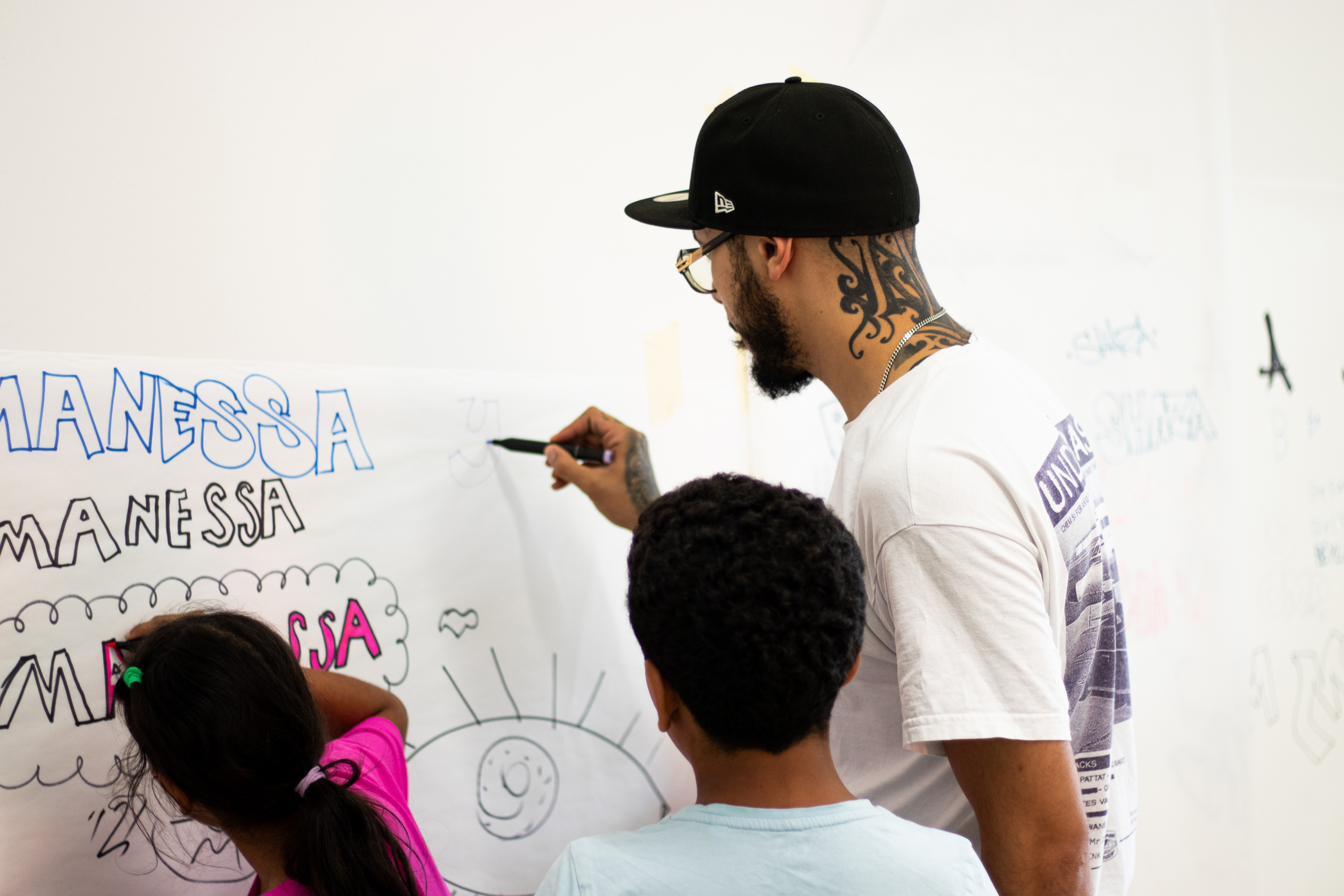
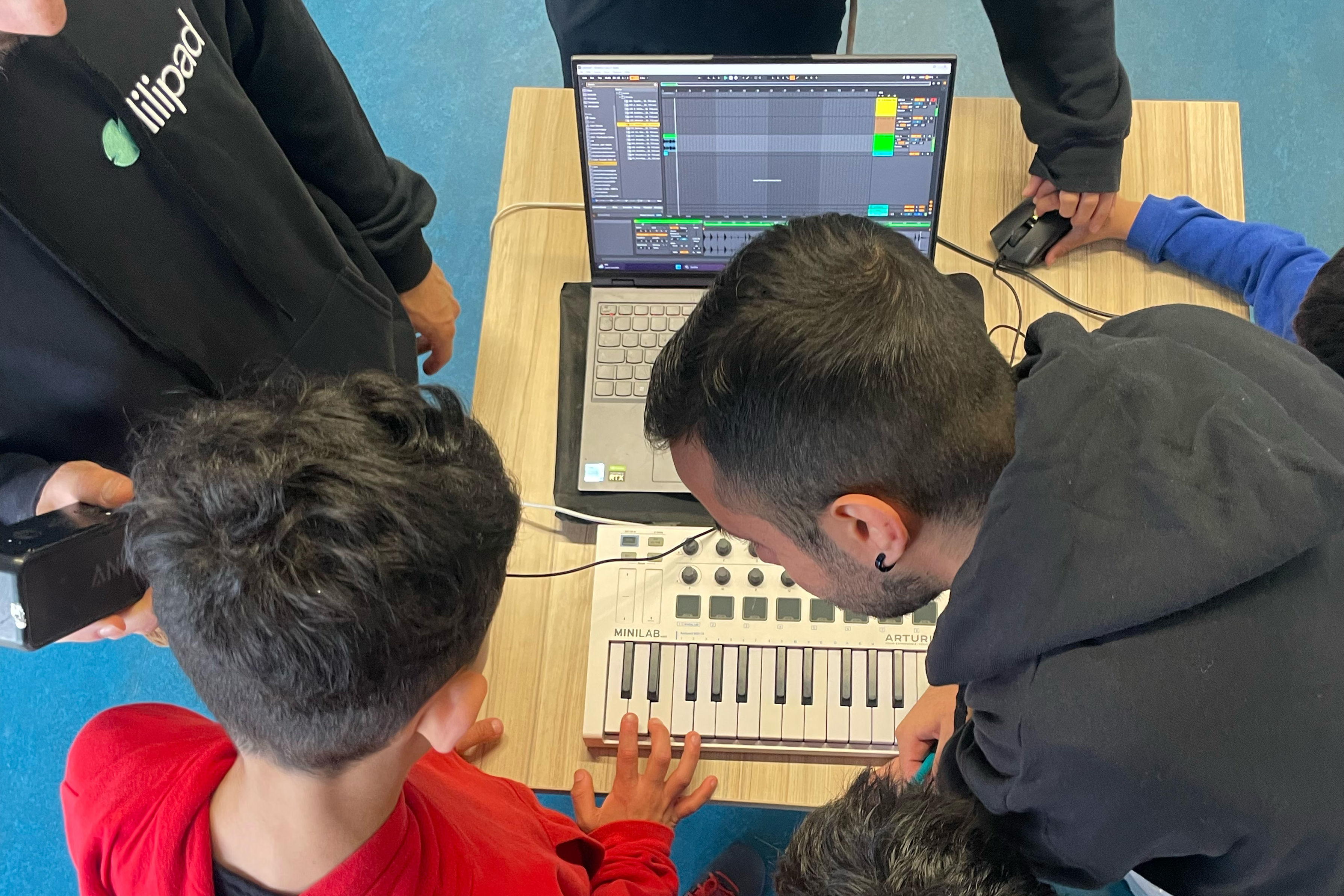
Creativity is our method for encouraging self-expression and exploration. Children work with professional artists and trained facilitators across rap, poetry, photography, calligraphy, theatre, and music. We combine heritage art forms with contemporary expression so children can explore identity in ways that feel relevant and empowering.
Trauma-Informed Facilitation
Our sessions are structured, predictable, and emotionally safe. Facilitators are trained to recognise stress responses and create environments where children can participate at their own pace. Their expression is invited, never forced.
Cultural Connection
Language and culture are assets. Workshops often incorporate children’s mother tongues, artistic traditions, and lived experiences. This strengthens identity while supporting multilingual literacy. Belonging and learning go hand in hand.
Public Sharing
Where appropriate, workshops culminate in recordings, exhibitions, performances, or small celebrations, where children can see their work taken seriously. Families and community members are invited to witness what has been created. That recognition builds confidence and encourages children to continue exploring and creating.
TESTIMONIALS
Hear directly from our facilitators and participants:
"I really enjoyed the workshop with Islam, he made storytelling feel exciting and meaningful. We would love to continue working with him and explore more of our own stories together."
Hiba
Participant in Casablanca filmmaking workshop
"The workshop we organised fostered an immense feeling of pride for children, as they acted in front of their peers for the first time! They developed confidence and enhanced their social skills."

Nour
Community Librarian, Berlin
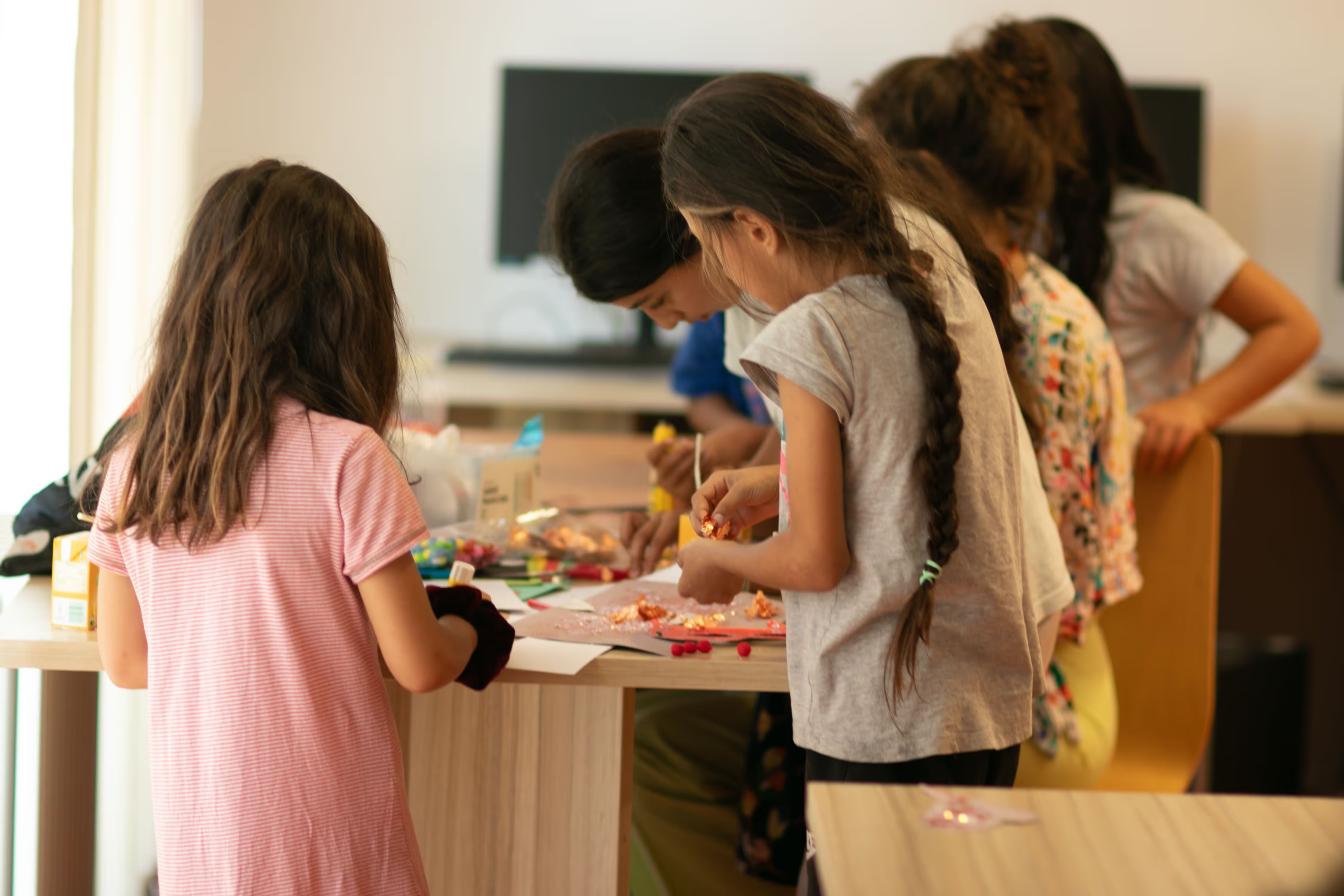
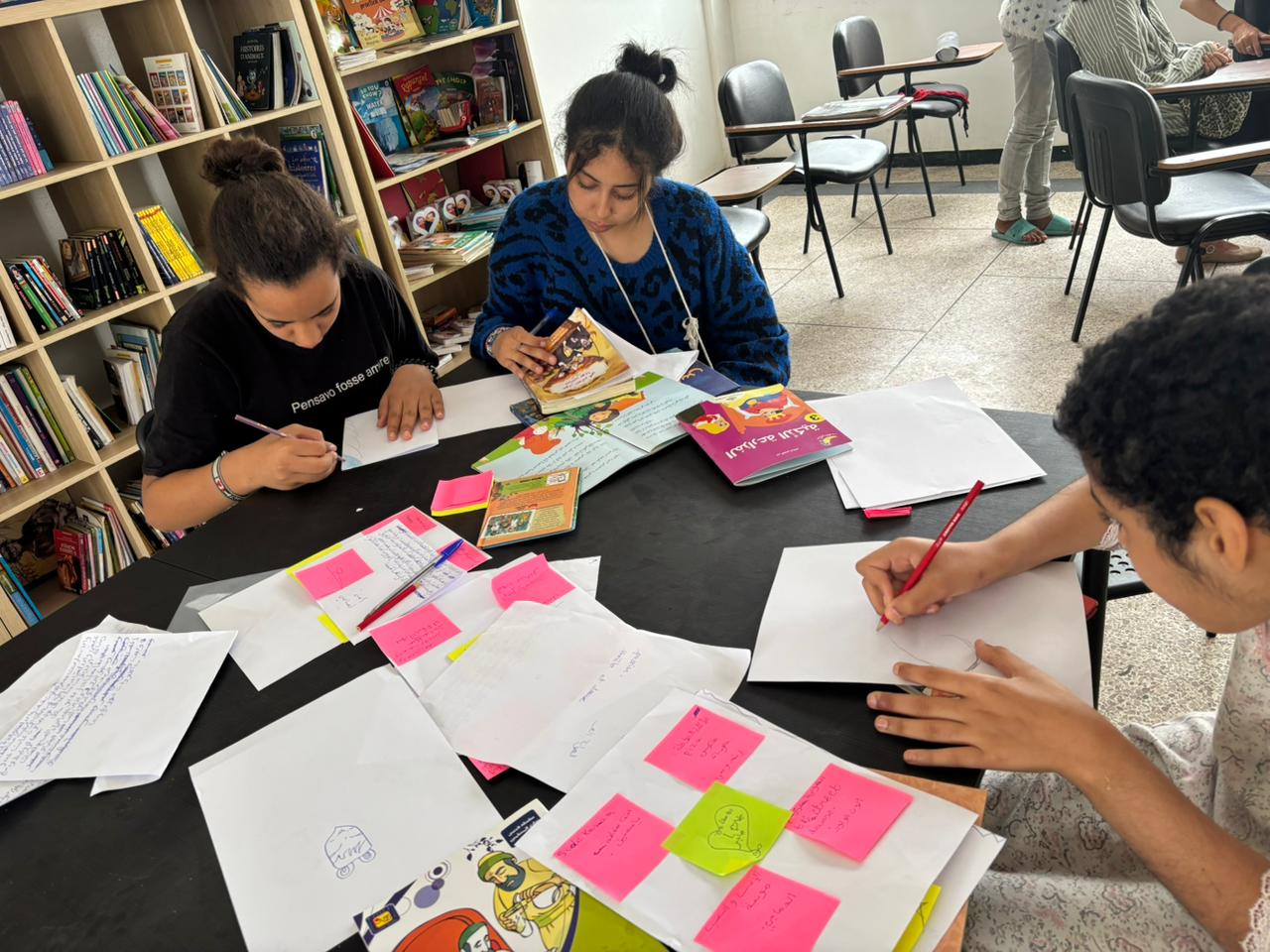
"The workshops that lilipad librarian Samira offers, including reading and handicrafts, have contributed greatly to my overall learning experience."

Kenza
Workshop participant in Casablanca, Morocco
What this looks like in practice
Our workshops take different forms depending on the context.
Some are part of long-term library programming while others are special collaborations. Each workshop aims to invite children to learn and create together.

Donate
Keep our libraries running
Your support helps ensure children continue to have access to spaces where their language, curiosity, and imagination are taken seriously.