lilipad culture
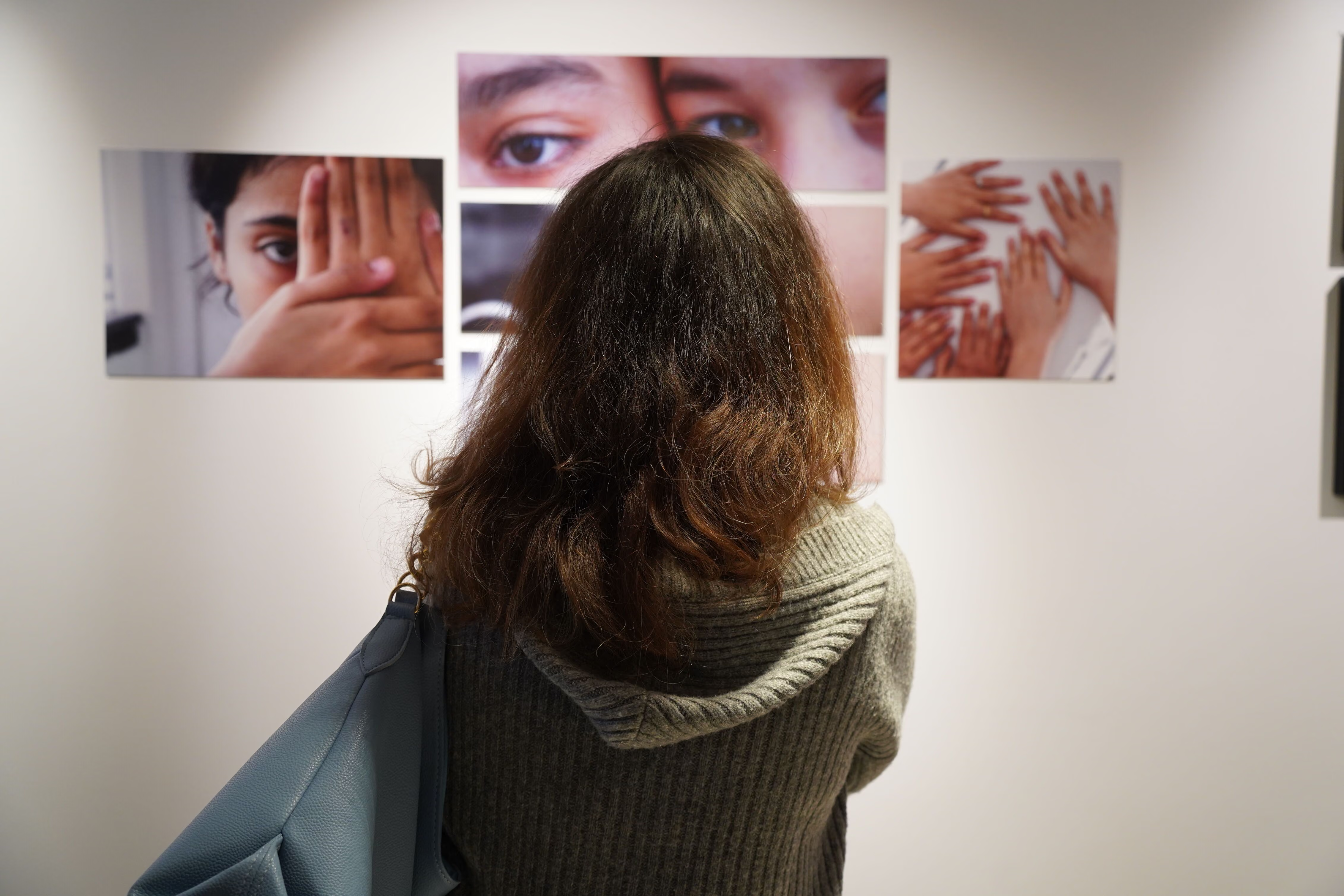
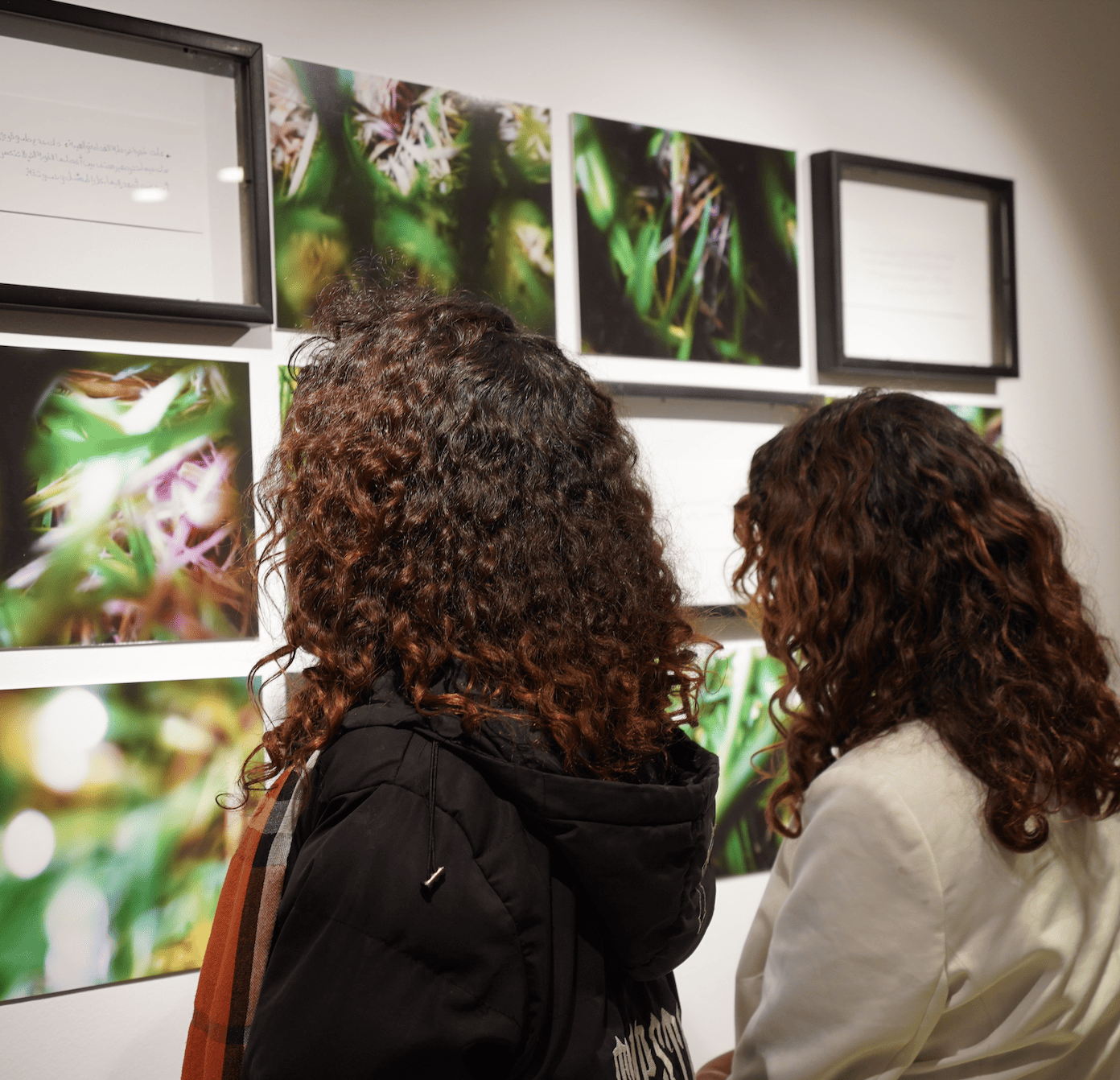
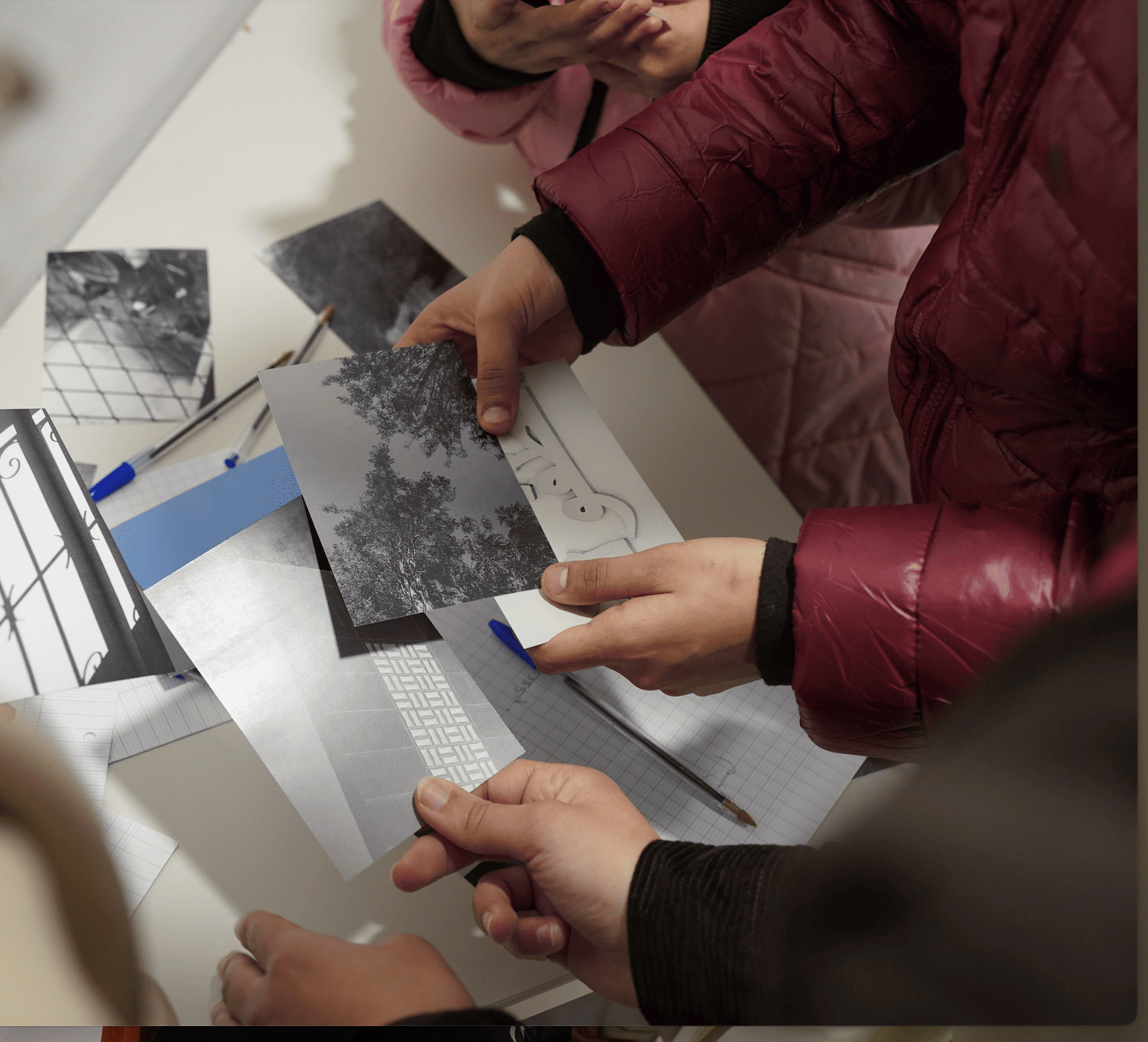
After years of working inside our lilipad libraries, we have started to bring this work into public space. Through exhibitions, festivals and other cultural gatherings, we share different narratives shaped by children and young people, and by the artists we collaborate with. This is part of how we approach advocacy: making space for perspectives and creative work that are often underrepresented, and for a wider public to encounter them.
Stories deserve audiences
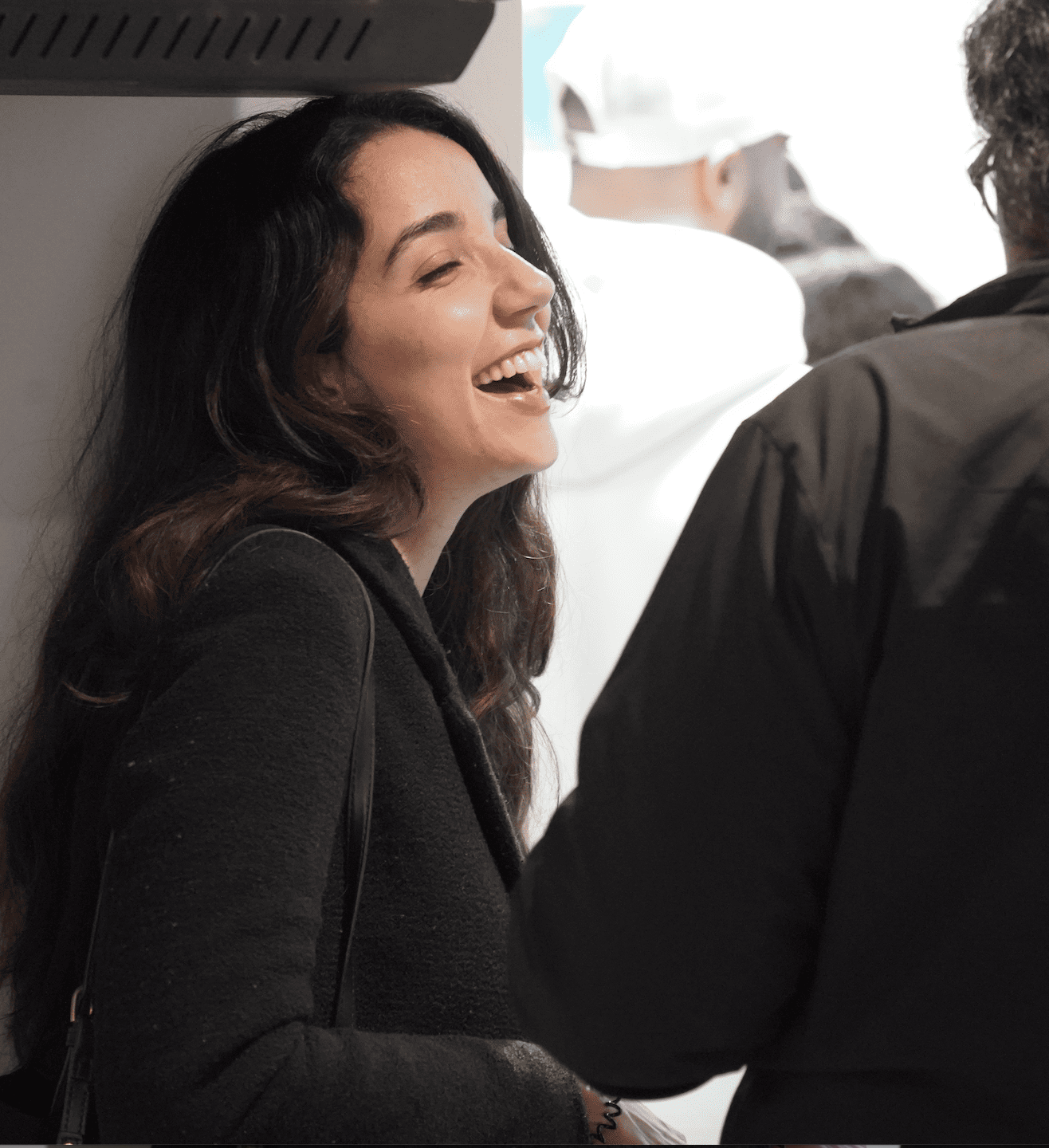
At lilipad, we see culture as an essential part of community life. Alongside our libraries and workshops, we create public programmes that bring children, artists, families and wider audiences together around shared stories.
Many of the children and young people we work with navigate multiple challenges and complex realities on a day-to-day basis. Their experiences and perspectives are rarely reflected in mainstream cultural spaces. Our programmes create opportunities not only for participation, but for their creative work to be encountered and taken seriously by wider audiences.
Working with cultural partners across Berlin, Casablanca and beyond, we create opportunities for artists and communities to develop and share work together, bringing multilingual and postmigrant perspectives into public cultural life. From our children's literature festival, Untold Stories, to exhibitions and public gatherings such as Our Stories, Our Power, we believe culture can build connections across borders and generations.
taking stories into the world
Whose Stories Get Told
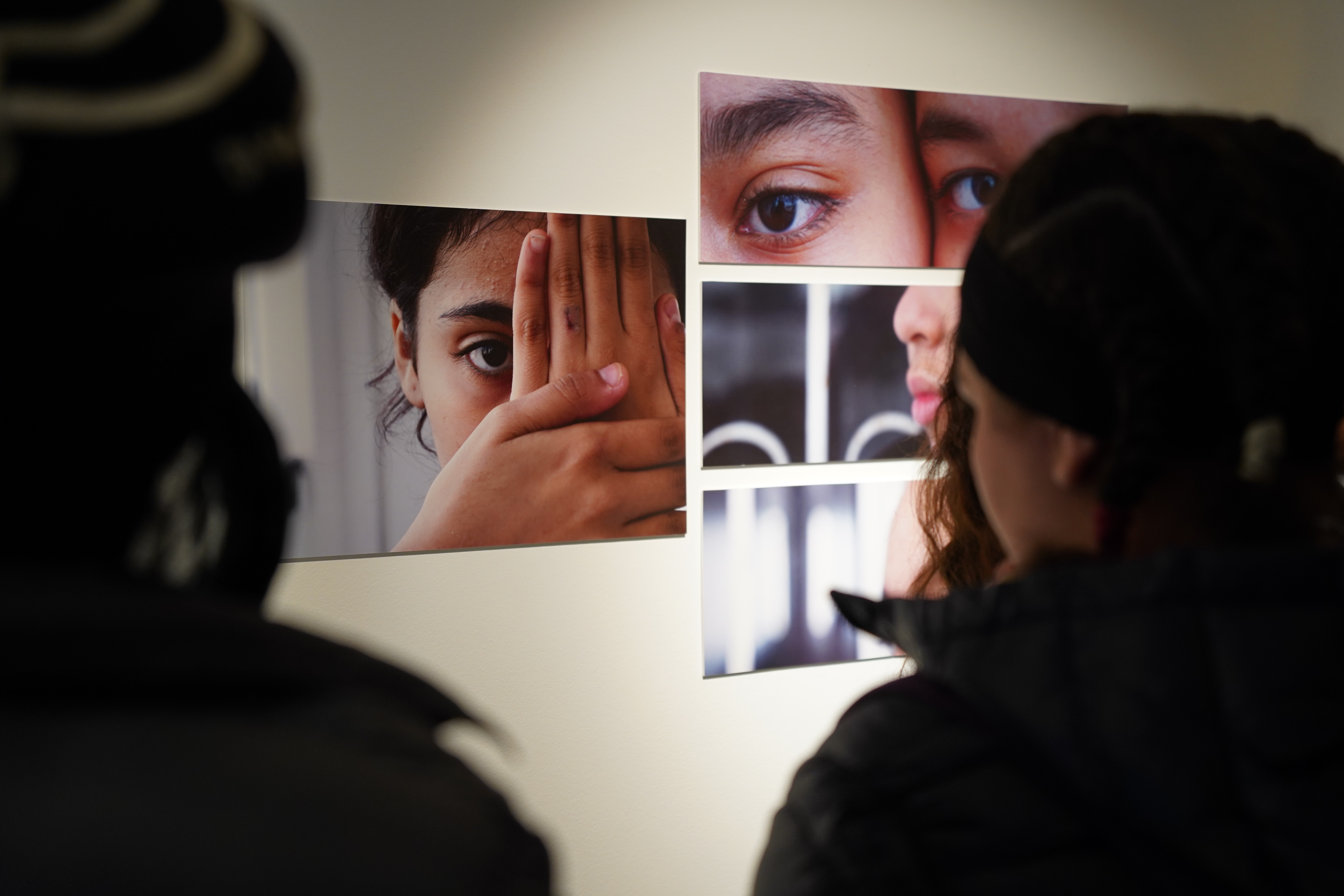
Public culture does not reflect every childhood equally. Some children grow up surrounded by books, theatres and galleries that speak to their experiences. Others rarely see themselves represented, or have opportunities to contribute their own stories.At lilipad, we believe children should not only experience culture but help create it. Through writing, photography, performance, illustration and film, they produce work that reflects their own perspectives and ways of seeing the world.
From Library to Public Life
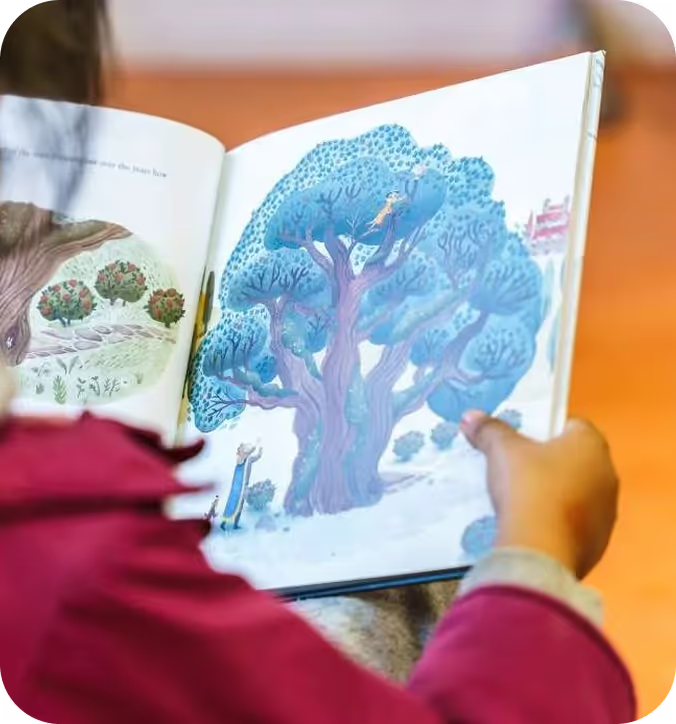
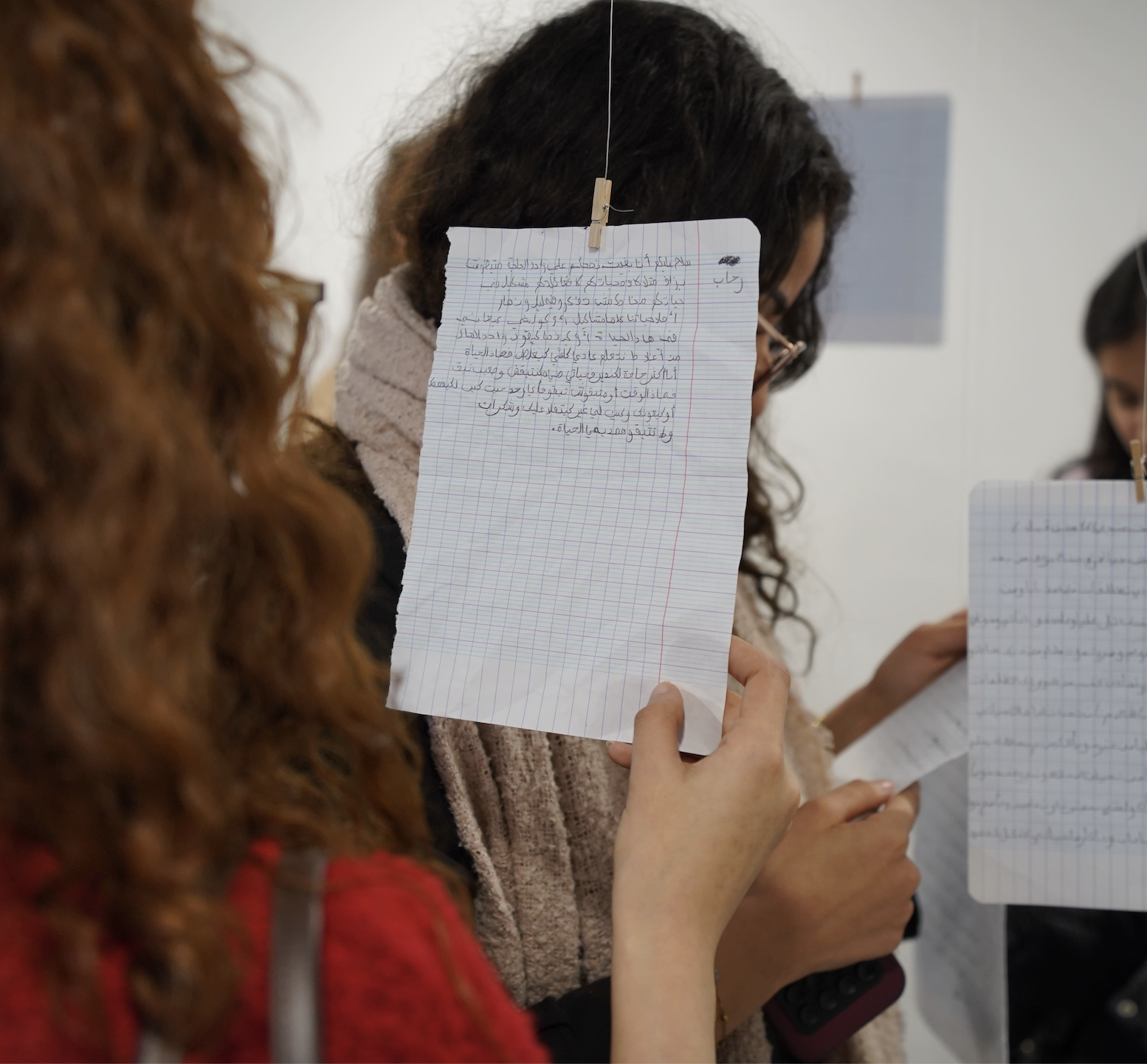
Some projects continue beyond the library into exhibitions, festivals and public events, where children's poems, photographs, performances and artwork are shared with wider audiences. These settings allow the work to take on a new life, creating opportunities for dialogue between children, artists, families, educators and the wider public.
Children As Authors
Children create work that is personal, imaginative and entirely their own. We support them in developing original ideas rather than speaking on behalf of a community or experience.Their poems, photographs and performances are presented because they have artistic and cultural value in their own right. Children are recognised not only as participants, but as authors.
Artists as Role Models
The artists we work with are a key part of our approach. We mostly collaborate with emerging artists and creative practitioners whose lived experiences, backgrounds, languages or identities connect with those of the communities we work alongside. They bring more than a creative discipline into the room: they bring different ways of seeing, making and telling stories, and can become important role models for children and young people as they imagine new possibilities. Many of these relationships grow over time, with artists working with us across different projects and sharing their practice with children and families inside our libraries as well as with wider audiences through our cultural programme.
Donate
Keep our libraries running
Your support helps ensure children continue to have access to spaces where their language, curiosity, and imagination are taken seriously.