Beyond the Project: Reflections on Collaboration
Last week, partners from across the Narratives of Hope network came together for a day of exchange, reflection, and collective learning.
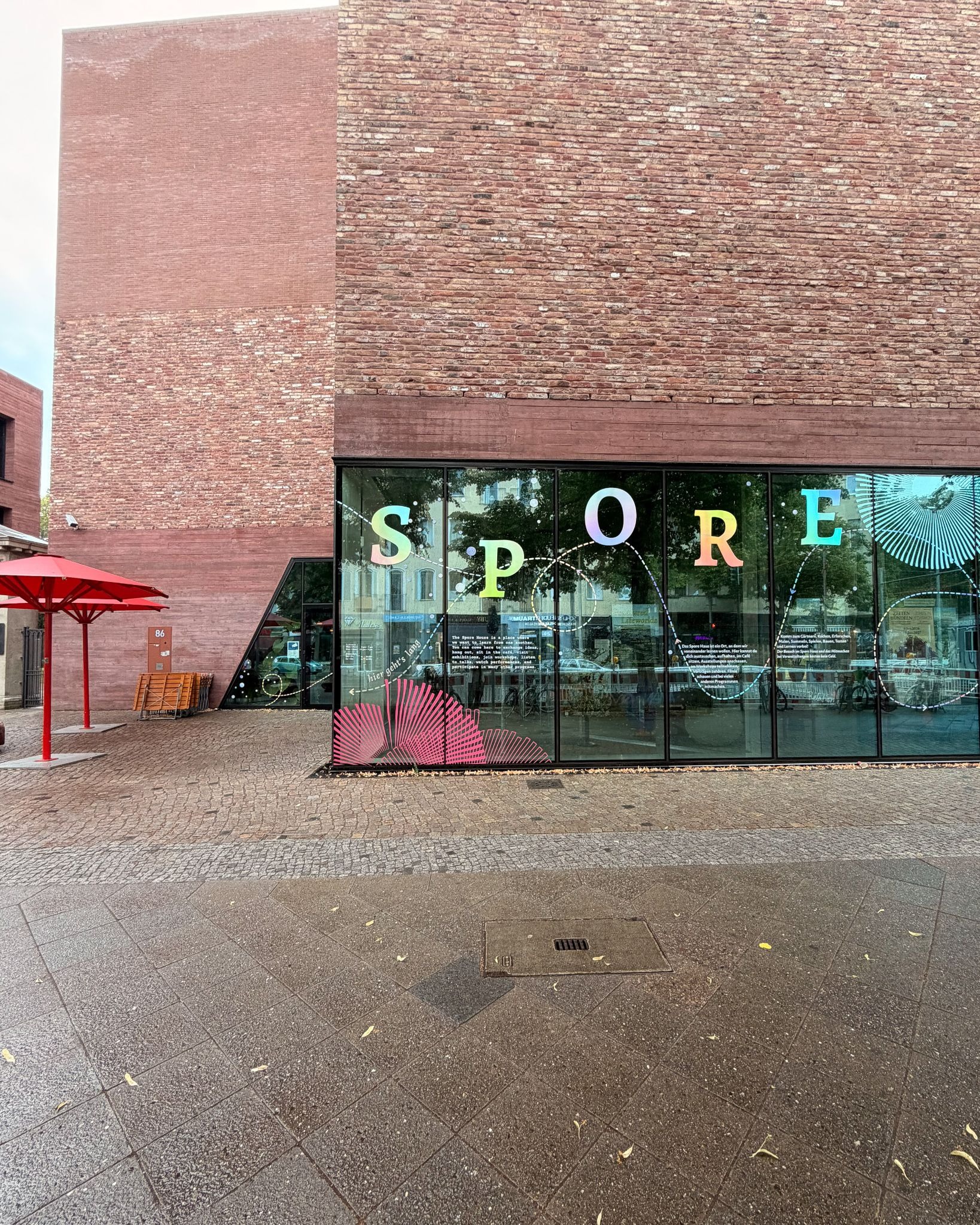
.jpg)
We moved beyond individual project outcomes to ask a bigger question: how do we build collaborations that truly last?
Starting with Connection
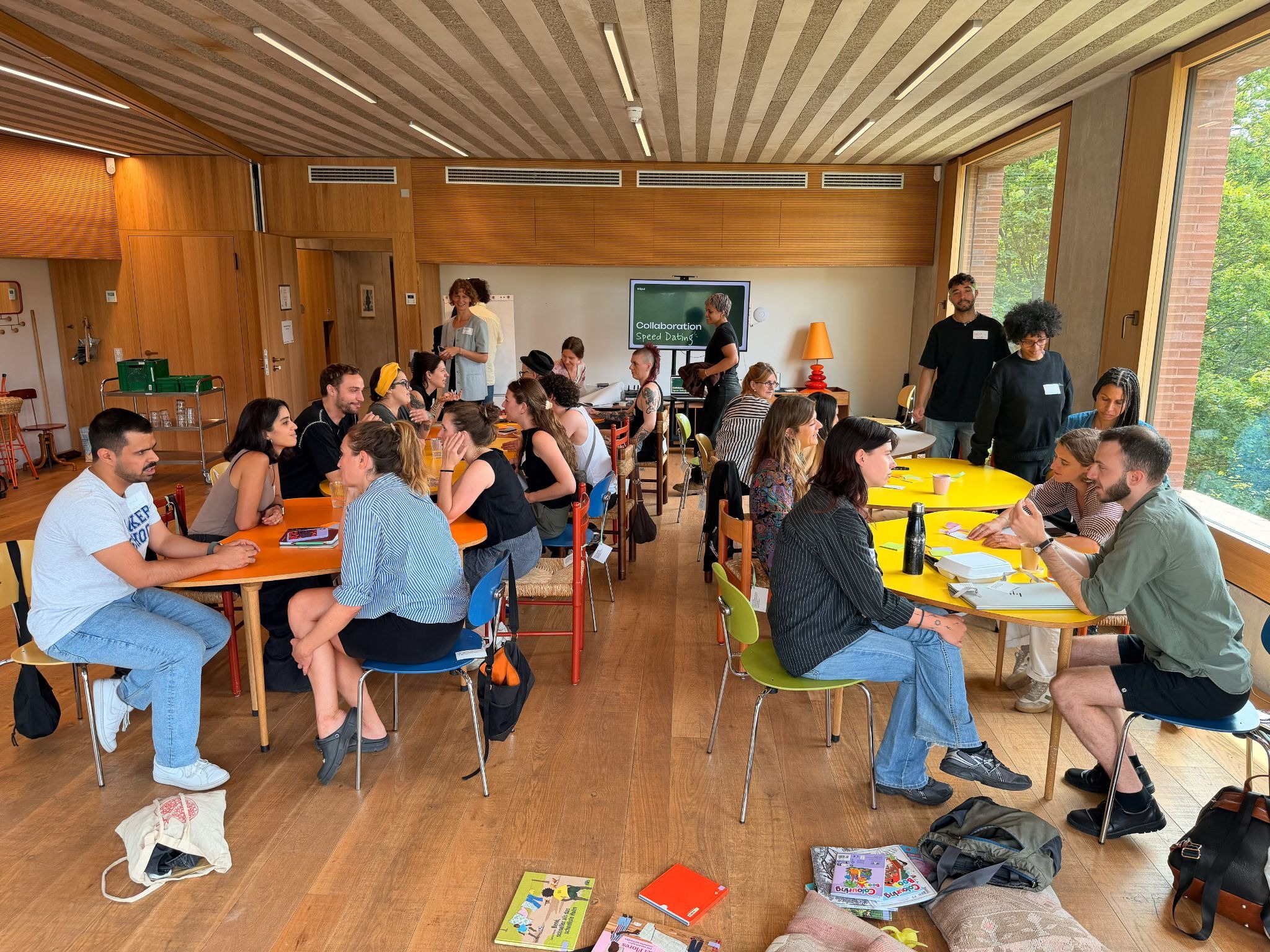
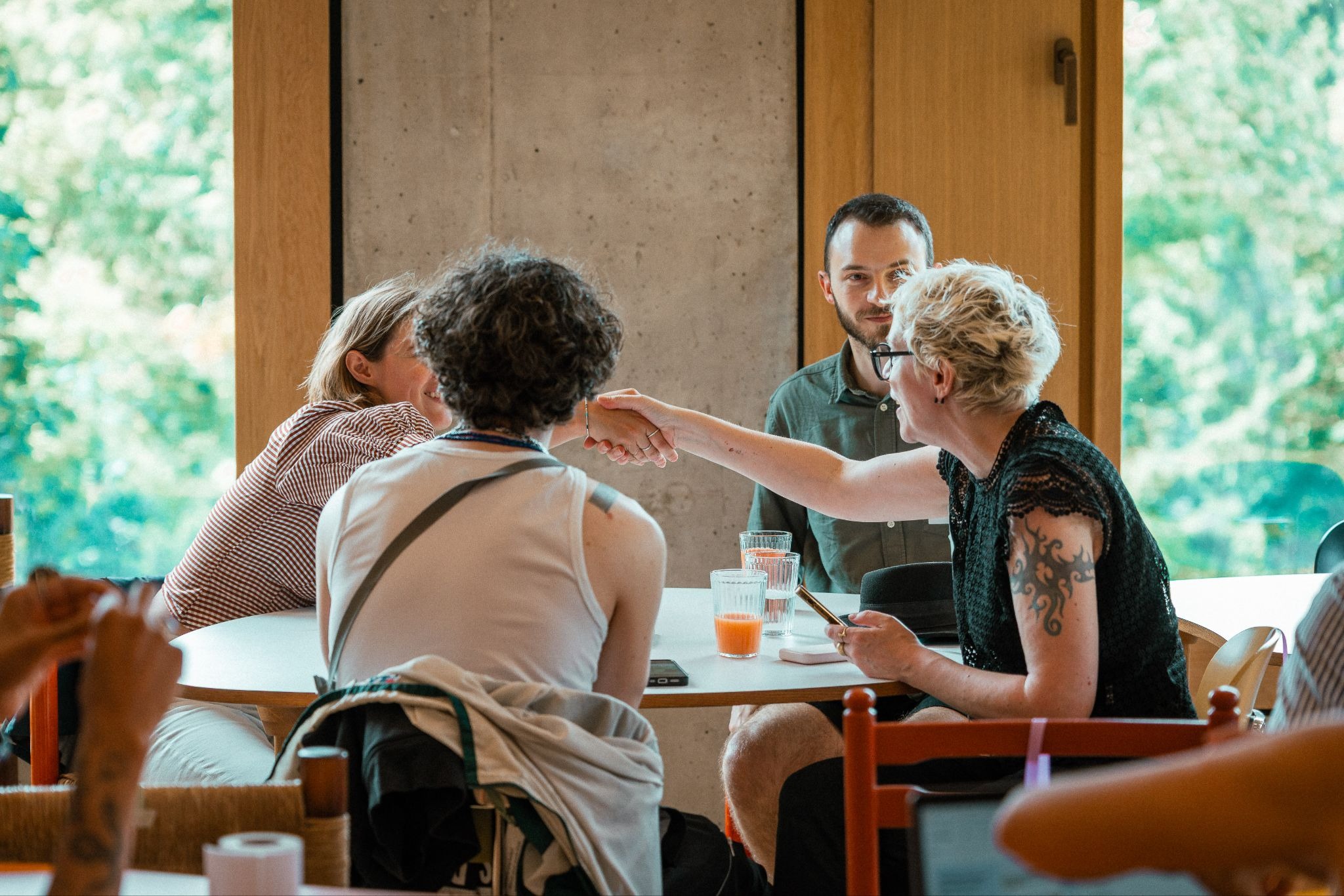
The day opened with a lively "collaboration speed dating" exercise, giving participants a chance to meet new faces and start conversations before the formal sessions began. This activity was a great reminder that a good collaboration starts with human connection, not just shared paperwork.
Sharing the Narratives of Hope Story
The morning centered on a presentation of the Narratives of Hope project, including footage that gave participants a direct sense of the children's libraries and the creative, joyful work happening on the ground, including a musical moment that captured the fun and imagination at the heart of the project!
Discussion afterward covered Narratives of Hope’s future, even as the formal project period ends at the end of summer: partners confirmed the collaboration is continuing, with plans to run further storytelling-through-art workshops and to apply for a larger, multi-partner initiative building on what's already been established. Participants were also curious about how children across different countries can connect with one another, and about the practical realities of managing an EU grant of this kind, which the team described as comparatively manageable thanks to a reporting system built up over time.
A particularly rich exchange centered on how the founding partners first found and began trusting one another — a reminder that strong partnerships are built on relationships first, systems second. As one reflection put it: the best-designed partnership on paper can still struggle if the people and working styles don't align, while trust built early can carry a collaboration a long way.
Keynote: Rethinking Collaboration
The keynote reframed "collaboration" itself, challenging it as an overused buzzword and distinguishing between transactional and transformational networking. The core message: transformational relationships build trust, and trust is the foundation collaboration is built on, but it's governance that sustains it over the long run. Long-lasting collaborations aren't just built on goodwill; they're built on systems that help people work well together over time.
Working Sessions: Five Threads
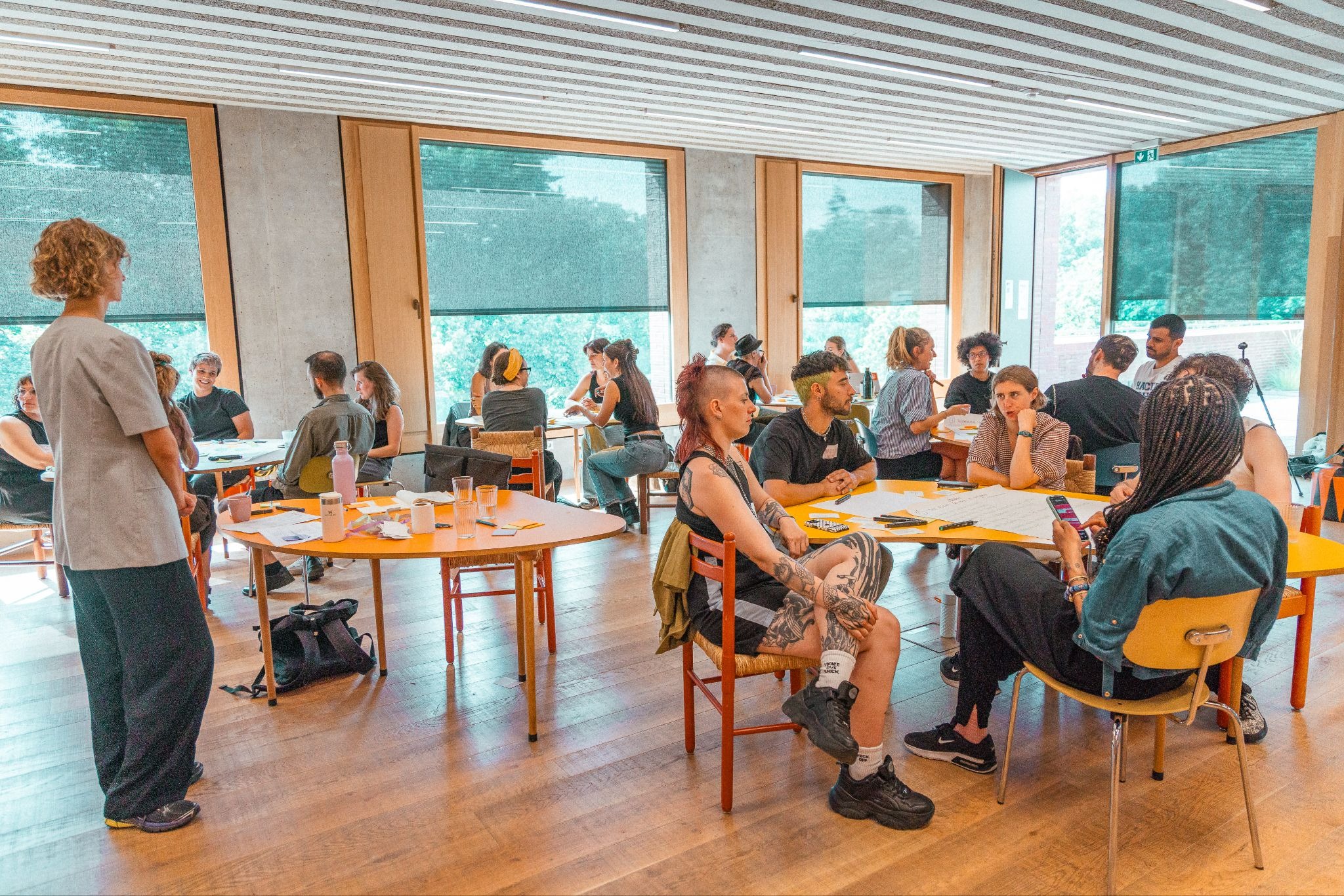
Participants then split into working groups to dig into specific challenges facing collaborative, cross-organizational work. Key themes that emerged:
1. Working in Isolation vs. Collaborative Design
Groups explored why organizations default to working alone — competitive instincts, limited time, and unclear incentives — and proposed solutions like designating a networking role within teams, building networking skills across the whole staff, and designing projects collaboratively from the outset rather than retrofitting partnership later.
2. Navigating Cultural Differences Between Organizations
Participants discussed the value of establishing a shared intercultural communication framework early in a partnership, starting with a baseline of mutual understanding, then nurturing the relationship on an ongoing basis through regular, honest check-ins.
3. Managing Expectations, Demands, and Accountability
Using an "accountability spiral" model moving from personal to organizational, external, and societal levels, groups discussed practical tools: clear terms of reference, regular structured meetings, realistic planning, non-violent communication techniques, and creating safe spaces for open conversation across differing leadership styles.
4. Building Genuine Human Connection Within Collaboration
A key tension emerged here: can connection be organic, or does it need to be intentionally fostered? Groups landed on the idea that shared purpose, values, and vision when paired with informal, non-forced settings like shared meals or unconventional joint activities create the conditions where authentic relationships can grow.
5. Choosing the Right Shared Systems
Finally, groups tackled the practical backbone of collaboration: shared tools for documentation and communication. Discussion covered the need for consistent, uniformly adopted systems, ethical alternatives for data storage, and clear etiquette for communication channels. The concrete next step agreed upon: begin a conversation to introduce and align on shared tools across all partner organizations.
Looking Ahead
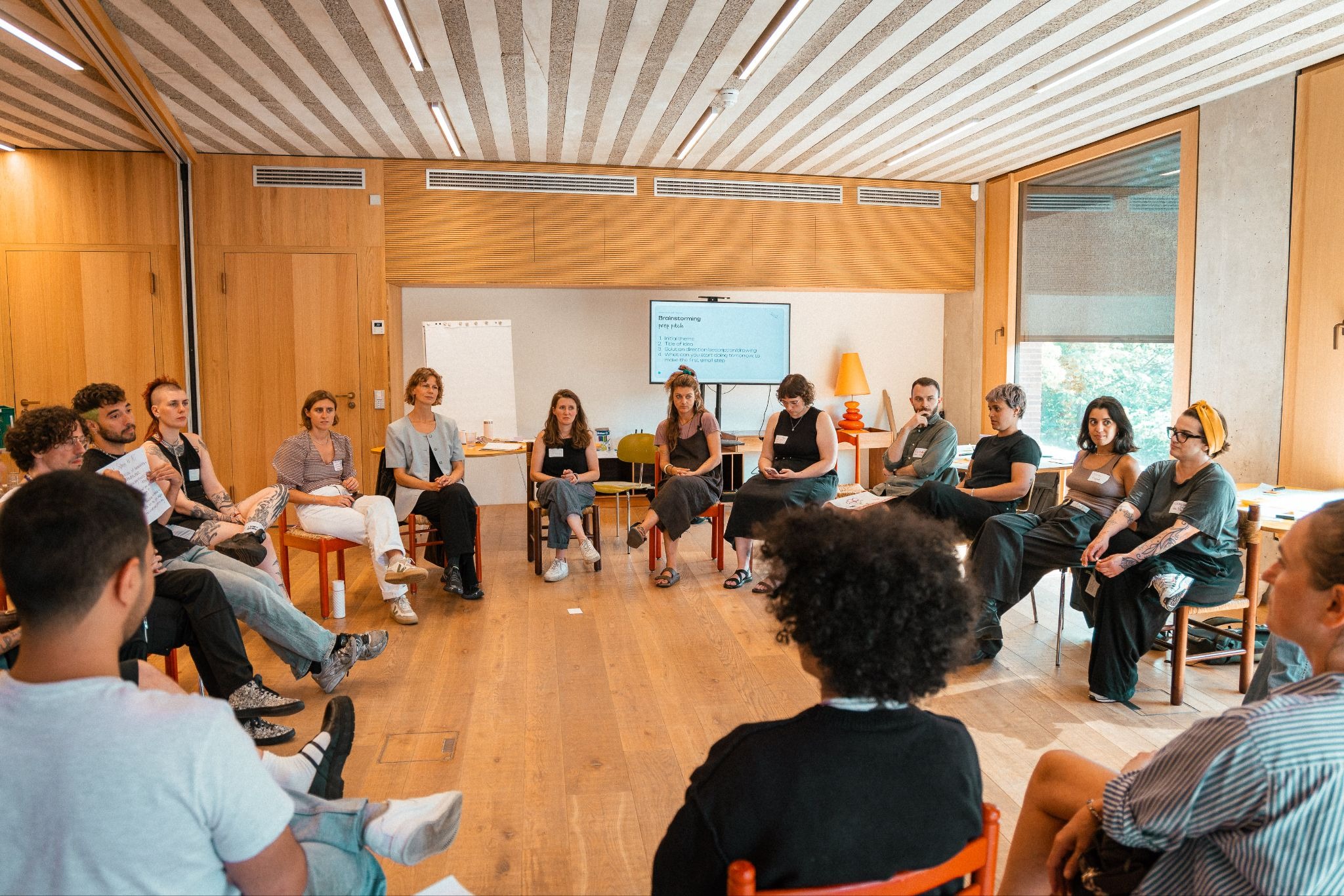
The day closed with a clear thread running through every session: collaboration is something that is actively built, maintained, and rethought over time. Partners left with concrete ideas to carry forward, from shared communication protocols to a renewed commitment to longer, more frequent convenings.
Thank you to everyone who participated in shaping this conversation — we look forward to continuing it together!
- The lilipad team

Meredith Roberts
Keep reading



Donate
Keep our libraries running
Your support helps ensure children continue to have access to spaces where their language, curiosity, and imagination are taken seriously.